
Costs That Will Differ Between Alternative Courses Of Action
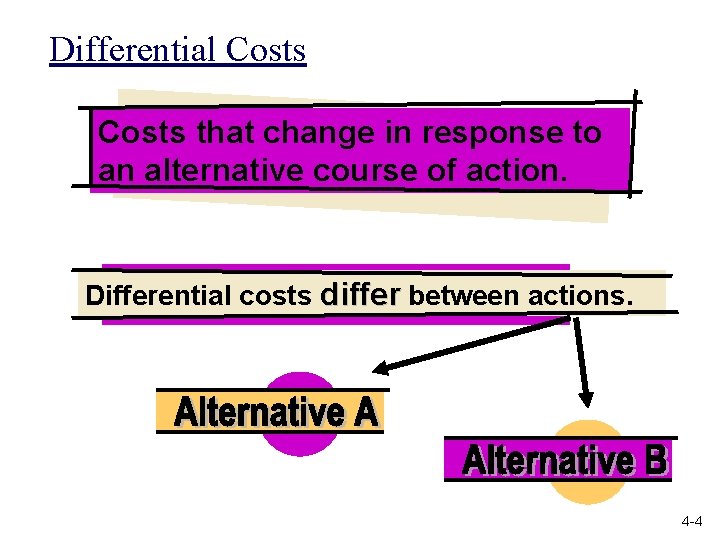
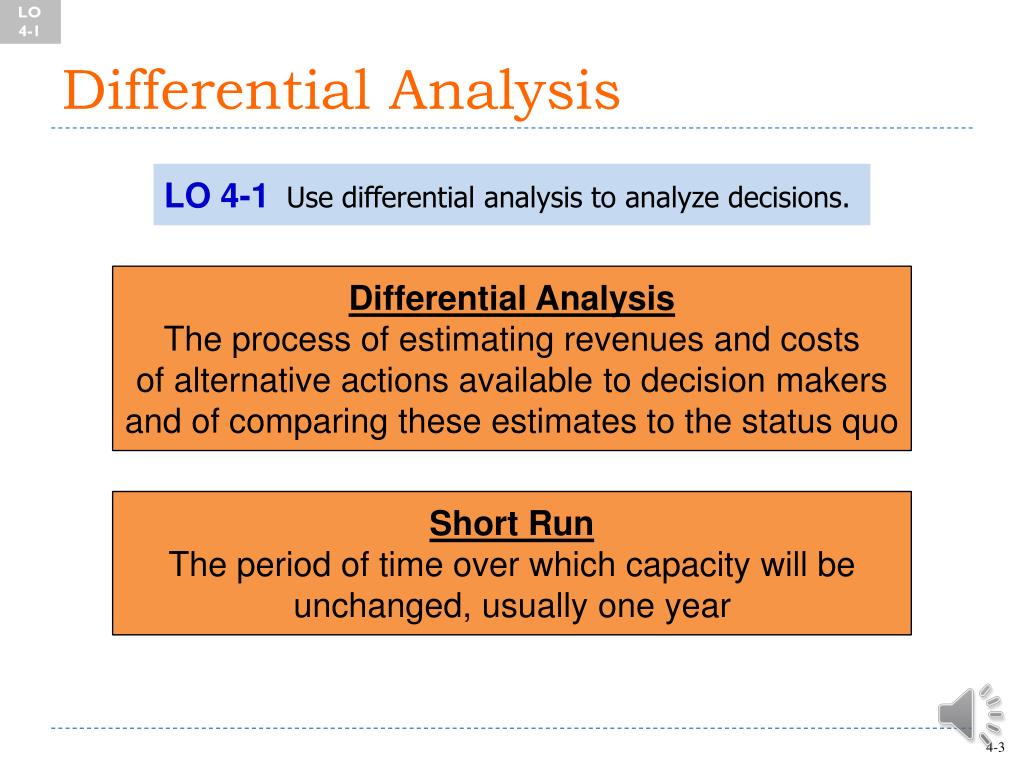
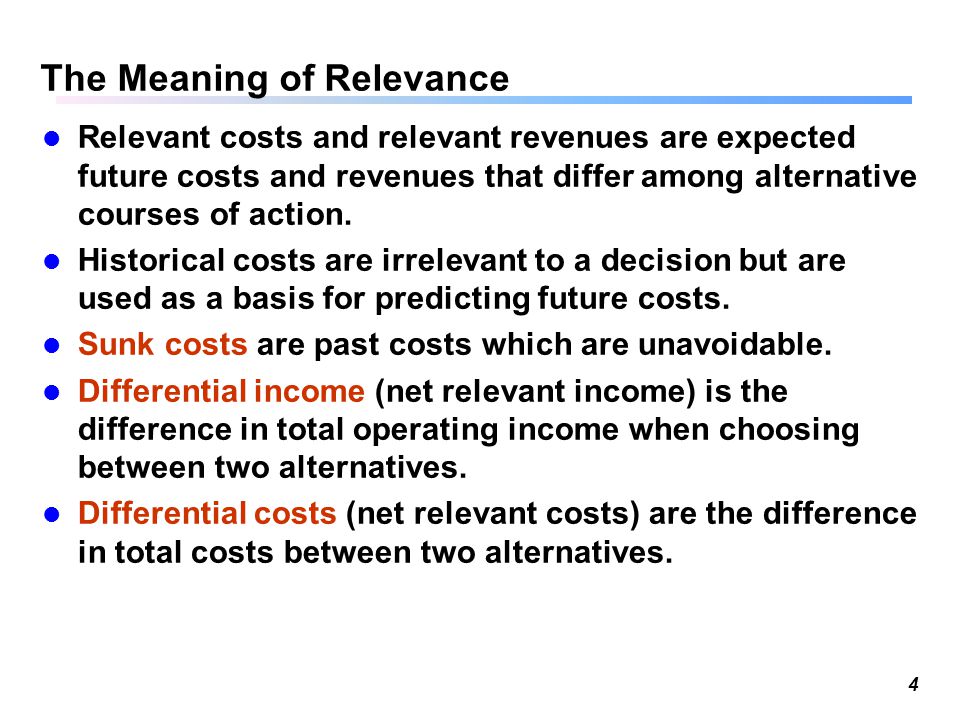
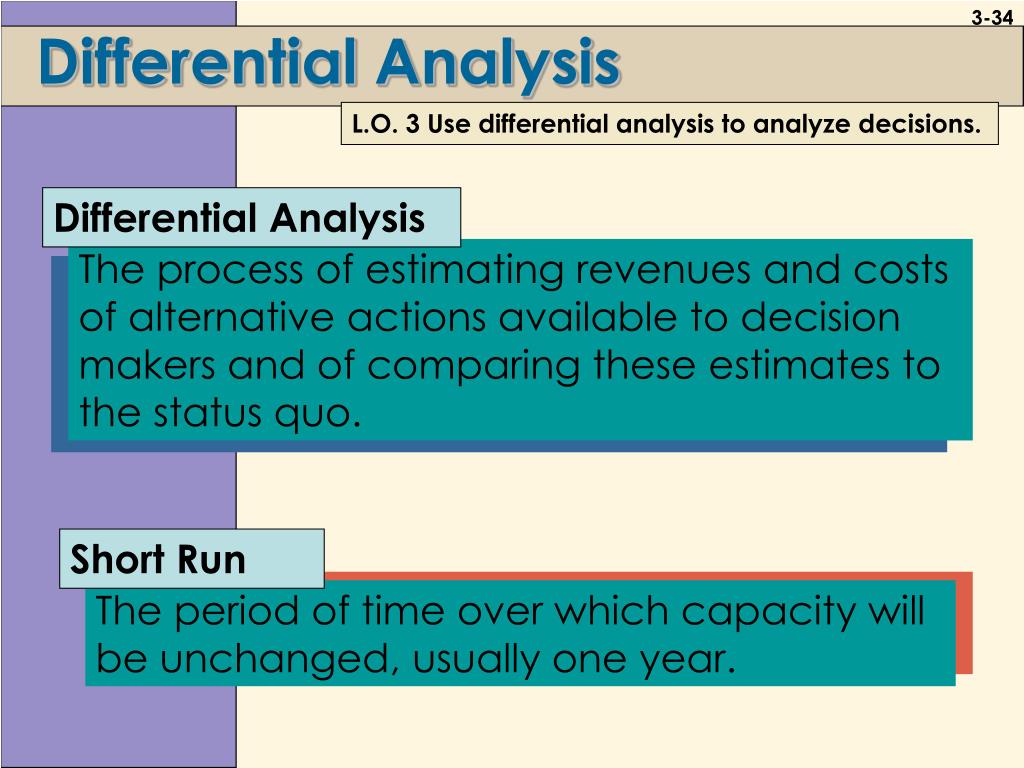
Costs That Will Differ Between Alternative Courses Of Action - These are the revenues and costs that change based on the. Study with quizlet and memorize flashcards containing terms like costs that will differ between alternatives and influence the outcome of a decision are a. Costs that will differ between alternative courses of action and influence the outcome of a decision are called unavoidable costs. Relevant cost refers to costs that directly impact a decision between alternative courses of action. Enhanced with ai, our expert help has broken down. In the context of differential analysis, relevant revenues and costs are those that differ among alternative courses of action. Also known as differential analysis, this. Relevant cost is the amount of increase or decrease in cost that is expected from a course of action as compared with an alternative. Costs that will differ between alternative courses of action and influence outcome of a decision are called.? By quantifying the opportunity cost, we can assess the potential benefits that could have been gained if an alternative course of action was chosen instead. They are the extra expenses. Relevant revenues or costs in a given situation. Analyzing this difference is called differential analysis. Differential revenues and costs (also called relevant revenues and costs or incremental revenues and costs) represent the difference in revenues and costs among. In the context of differential analysis, relevant revenues and costs are those that differ among alternative courses of action. Costs that will differ between alternative courses of action and influence outcome of a decision are called.? Enhanced with ai, our expert help has broken down. In incremental analysis, both costs and revenues may be. Differential analysis involves analyzing the different costs and benefits that would arise from alternative solutions to a particular problem. Study with quizlet and memorize flashcards containing terms like costs that will differ between alternatives and influence the outcome of a decision are a. Differential revenues and costs represent the difference in revenues and costs among alternative courses of action. By quantifying the opportunity cost, we can assess the potential benefits that could have been gained if an alternative course of action was chosen instead. Study with quizlet and memorize flashcards containing terms like costs that will differ between alternatives and influence the outcome. Enhanced with ai, our expert help has broken down. Relevant revenues or costs in a given situation. Study with quizlet and memorize flashcards containing terms like costs that will differ between alternatives and influence the outcome of a decision are a. Analyzing this difference is called differential analysis. In order for a revenue or cost to be considered. By quantifying the opportunity cost, we can assess the potential benefits that could have been gained if an alternative course of action was chosen instead. Differential analysis requires that we consider all differential revenues and costs—costs that differ from one alternative to another—when deciding between alternative. Differential costs, also known as incremental costs, are the costs that change or differ. Relevant cost refers to costs that directly impact a decision between alternative courses of action. In incremental analysis, both costs and revenues may be. Differential analysis requires that we consider all differential revenues and costs—costs that differ from one alternative to another—when deciding between alternative courses of action. The difference in total costs between two or more alternative courses of. Costs that will differ between alternative courses of action and influence outcome of a decision are called.? Enhanced with ai, our expert help has broken down. Relevant or alternative cost analysis is a management accounting technique that helps managers decide between different courses of action. Your solution’s ready to go! Differential analysis involves analyzing the different costs and benefits that. By quantifying the opportunity cost, we can assess the potential benefits that could have been gained if an alternative course of action was chosen instead. Differential analysis requires that we consider all differential revenues and costs—costs that differ from one alternative to another—when deciding between alternative courses of action. Also known as differential analysis, this. Study with quizlet and memorize. Differential analysis requires that we consider all differential revenues and costs—costs that differ from one alternative to another—when deciding between alternative. Also known as differential analysis, this. In incremental analysis, both costs and revenues may be. Differential revenues and costs represent the difference in revenues and costs among alternative courses of action. Relevant revenues or costs in a given situation. Study with quizlet and memorize flashcards containing terms like costs that will differ between alternatives and influence the outcome of a decision are a. Relevant revenues or costs in a given situation. Costs that will differ between alternative courses of action and influence outcome of a decision are called.? Costs that will differ between alternative courses of action and influence. Differential revenues and costs (also called relevant revenues and costs or incremental revenues and costs) represent the difference in revenues and costs among. Costs that will differ between alternative courses of action and influence the outcome of a decision are called. In incremental analysis, both costs and revenues may be. These costs are relevant in decision. By quantifying the opportunity. Analyzing this difference is called differential analysis. These are the revenues and costs that change based on the. Differential analysis requires that we consider all differential revenues and costs—costs that differ from one alternative to another—when deciding between alternative courses of action. Relevant cost refers to costs that directly impact a decision between alternative courses of action. Relevant revenues or. In order for a revenue or cost to be considered. Differential analysis involves analyzing the different costs and benefits that would arise from alternative solutions to a particular problem. Your solution’s ready to go! In incremental analysis, both costs and revenues may be. Enhanced with ai, our expert help has broken down. They are the extra expenses. Costs that will differ between alternative courses of action and influence the outcome of a decision are called unavoidable costs. Differential revenues and costs represent the difference in revenues and costs among alternative courses of action. Analyzing this difference is called differential analysis. In the context of differential analysis, relevant revenues and costs are those that differ among alternative courses of action. Differential analysis requires that we consider all differential revenues and costs—costs that differ from one alternative to another—when deciding between alternative courses of action. These are the revenues and costs that change based on the. Relevant or alternative cost analysis is a management accounting technique that helps managers decide between different courses of action. Costs that will differ between alternative courses of action and influence the outcome of a decision are called. The difference in total costs between two or more alternative courses of action is known as differential costs, often called incremental costs. Study with quizlet and memorize flashcards containing terms like costs that will differ between alternatives and influence the outcome of a decision are a.
Assignment Unit 4 The difference in overall costs between two viable

Introduction To Incremental Costs FasterCapital
Fundamentals of Cost Analysis for Decision Making Chapter
PPT Fundamentals of Cost Analysis for Decision Making PowerPoint
Chapter 11 Decision making and Relevant Information ppt video online
PPT Chapter 3 PowerPoint Presentation, free download ID3907950

PPT Companies in Financial Difficulty PowerPoint Presentation ID823366

© 2014 by McGrawHill Education. This is proprietary material solely

Alternative Courses of Action ppt download

Profiling ‘Empowerment’ as an within an economic evaluation
By Quantifying The Opportunity Cost, We Can Assess The Potential Benefits That Could Have Been Gained If An Alternative Course Of Action Was Chosen Instead.
Differential Revenues And Costs (Also Called Relevant Revenues And Costs Or Incremental Revenues And Costs) Represent The Difference In Revenues And Costs Among.
Costs That Differ Among Or Between Two Or More Alternative Courses Of Action Are A) Differential Costs.
Differential Analysis Requires That We Consider All Differential Revenues And Costs—Costs That Differ From One Alternative To Another—When Deciding Between Alternative.
Related Post: