
Course Of Disease
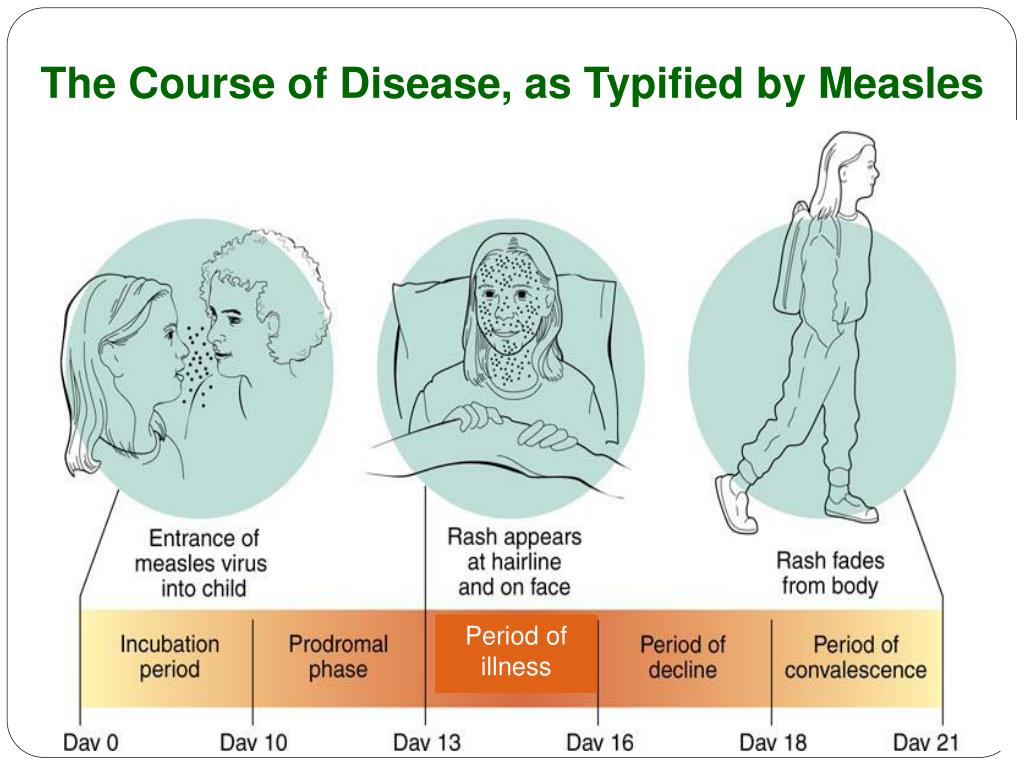
Course Of Disease - A disease is expected to follow a particular series of events in its development (pathogenesis), and to follow a particular clinical course (natural history). These differences also depend on the type of infection. What causes illnesses to arise and spread, and how can we treat and prevent them? Psychology definition of disease course: The natural history of a disease is also referred to as the course of the disease, or its development and progression; Most diagnoses are made during the stage of clinical disease. Infection occurs when an organism,. The process of a pathological condition from inception to resolution. Here, we review the progress that has been made in predicting the future for any given patient with inflammatory bowel disease—whether that is the course of disease that they will. The course of a disease, also called its natural history, [3] is the development of the disease in a patient, including the sequence and speed of the stages and forms they take. The ability to predict the course of disease and the effect of interventions is critical to effective medical practice and health care management. Monocyclic, polycyclic (flares of disease while off treatment), or chronic continuous disease. Patients want to know what the future holds for a broad range of conditions and the outcomes. In some people, however, the disease process may never progress to clinically apparent illness. Prognosis, defined as the likely course of a disease or illness, encompasses far more than this. The course of a disease, also called its natural history, [3] is the development of the disease in a patient, including the sequence and speed of the stages and forms they take. The 'course of disease' refers to the progression and development of a medical condition over time, including factors influencing its trajectory, such as etiological and risk factors, social. If you’re curious about the mysteries of disease, you can expand your medical knowledge and career. Disease course is the progression of a disease over time and is a key factor in determining an individual’s prognosis. In today’s world, where infectious diseases are a constant threat, it is crucial to understand the stages of infection in order to effectively diagnose and treat them. Psychology definition of disease course: Monocyclic, polycyclic (flares of disease while off treatment), or chronic continuous disease. Patients want to know what the future holds for a broad range of conditions and the outcomes. In today’s world, where infectious diseases are a constant threat, it is crucial to understand the stages of infection in order to effectively diagnose and treat. The ability to predict the course of disease and the effect of interventions is critical to effective medical practice and health care management. Most diagnoses are made during the stage of clinical disease. Patients want to know what the future holds for a broad range of conditions and the outcomes. If you’re curious about the mysteries of disease, you can. These differences also depend on the type of infection. These terms can be used interchangeably. Most diagnoses are made during the stage of clinical disease. Patients want to know what the future holds for a broad range of conditions and the outcomes. If you’re curious about the mysteries of disease, you can expand your medical knowledge and career. A disease’s course is a combination of the particular disease, the. A disease is expected to follow a particular series of events in its development (pathogenesis), and to follow a particular clinical course (natural history). [4] typical courses of diseases include: There are five stages of infection, each with a different duration and symptoms. In today’s world, where infectious diseases. Here, we review the progress that has been made in predicting the future for any given patient with inflammatory bowel disease—whether that is the course of disease that they will. Prognosis, defined as the likely course of a disease or illness, encompasses far more than this. Disease can result in a temporary or. If you’re curious about the mysteries of. Monocyclic, polycyclic (flares of disease while off treatment), or chronic continuous disease. Patients may follow one of three disease courses: The 'course of disease' refers to the progression and development of a medical condition over time, including factors influencing its trajectory, such as etiological and risk factors, social. What causes illnesses to arise and spread, and how can we treat. Disease can result in a temporary or. There are five stages of infection, each with a different duration and symptoms. Disease course is the progression of a disease over time and is a key factor in determining an individual’s prognosis. Disease can result in a temporary or. A disease is expected to follow a particular series of events in its. These differences also depend on the type of infection. These terms can be used interchangeably. The natural history of a disease is also referred to as the course of the disease, or its development and progression; In today’s world, where infectious diseases are a constant threat, it is crucial to understand the stages of infection in order to effectively diagnose. In today’s world, where infectious diseases are a constant threat, it is crucial to understand the stages of infection in order to effectively diagnose and treat them. Disease can result in a temporary or. These terms can be used interchangeably. A disease’s course is a combination of the particular disease, the. [4] typical courses of diseases include: The process of a pathological condition from inception to resolution. The natural history of a disease is also referred to as the course of the disease, or its development and progression; Here, we review the progress that has been made in predicting the future for any given patient with inflammatory bowel disease—whether that is the course of disease that they. What causes illnesses to arise and spread, and how can we treat and prevent them? Monocyclic, polycyclic (flares of disease while off treatment), or chronic continuous disease. Prognosis, defined as the likely course of a disease or illness, encompasses far more than this. Disease can result in a temporary or. A disease’s course is a combination of the particular disease, the. The natural history of a disease is also referred to as the course of the disease, or its development and progression; The course of a disease, also called its natural history, [3] is the development of the disease in a patient, including the sequence and speed of the stages and forms they take. Disease can result in a temporary or. If you’re curious about the mysteries of disease, you can expand your medical knowledge and career. Most diagnoses are made during the stage of clinical disease. Here, we review the progress that has been made in predicting the future for any given patient with inflammatory bowel disease—whether that is the course of disease that they. The ability to predict the course of disease and the effect of interventions is critical to effective medical practice and health care management. Patients want to know what the future holds for a broad range of conditions and the outcomes. The 'course of disease' refers to the progression and development of a medical condition over time, including factors influencing its trajectory, such as etiological and risk factors, social. There are five stages of infection, each with a different duration and symptoms. Infection occurs when an organism,.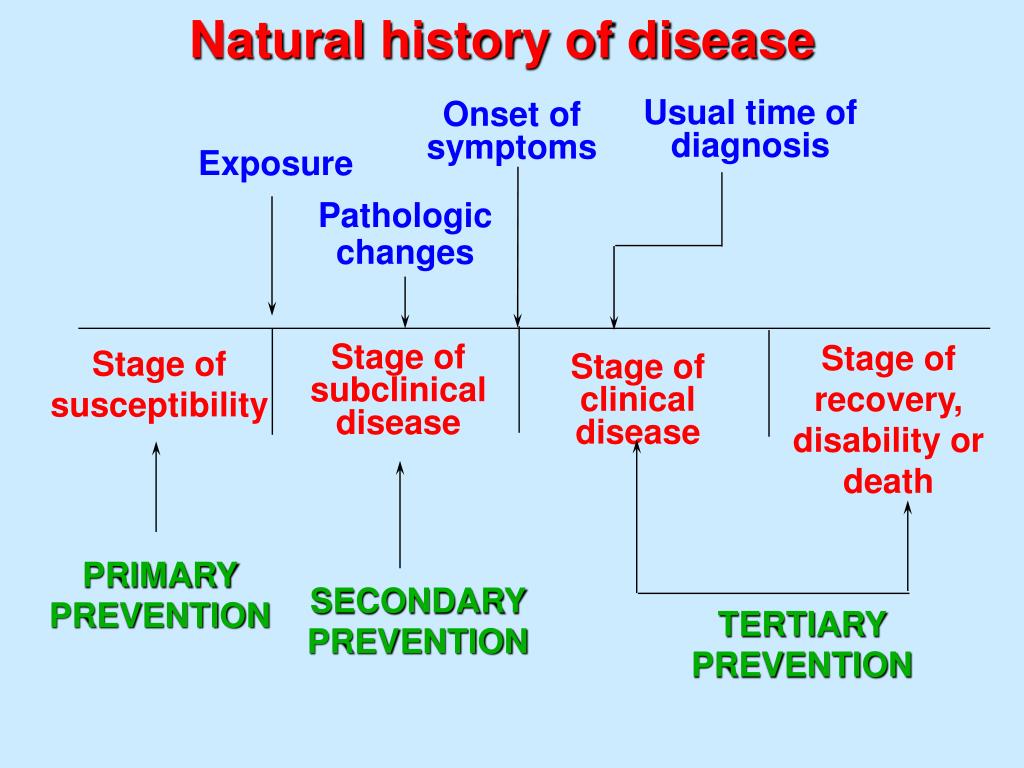
PPT History of Epidemiology PowerPoint Presentation, free download
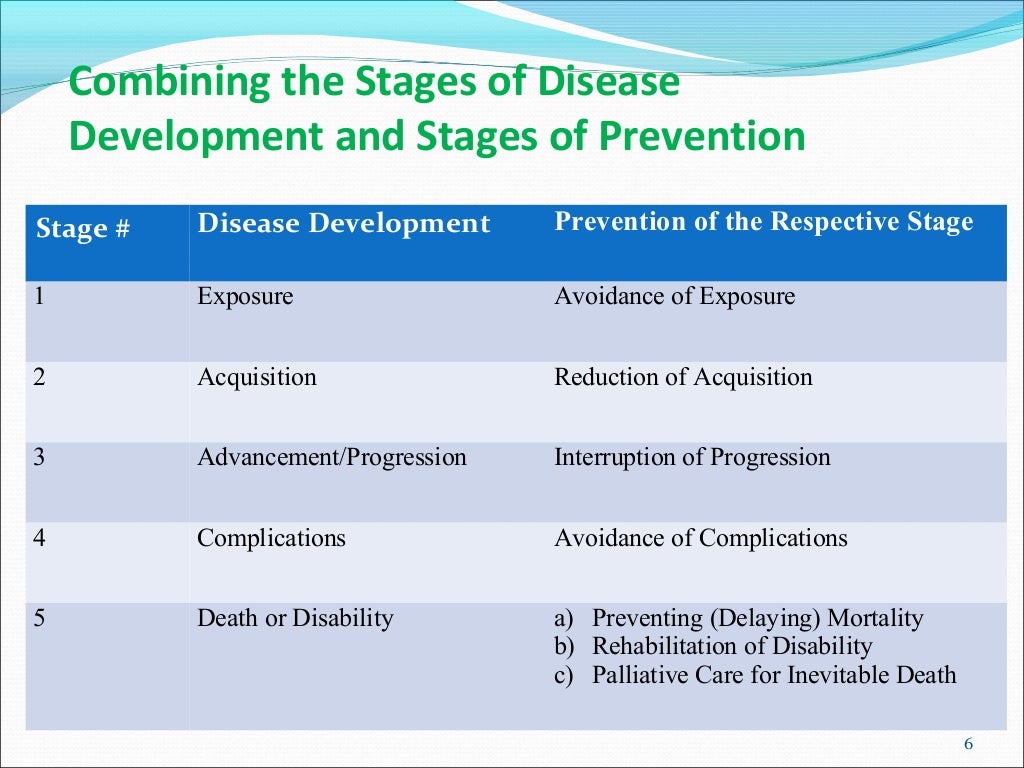
The 5 stages of disease and prevention
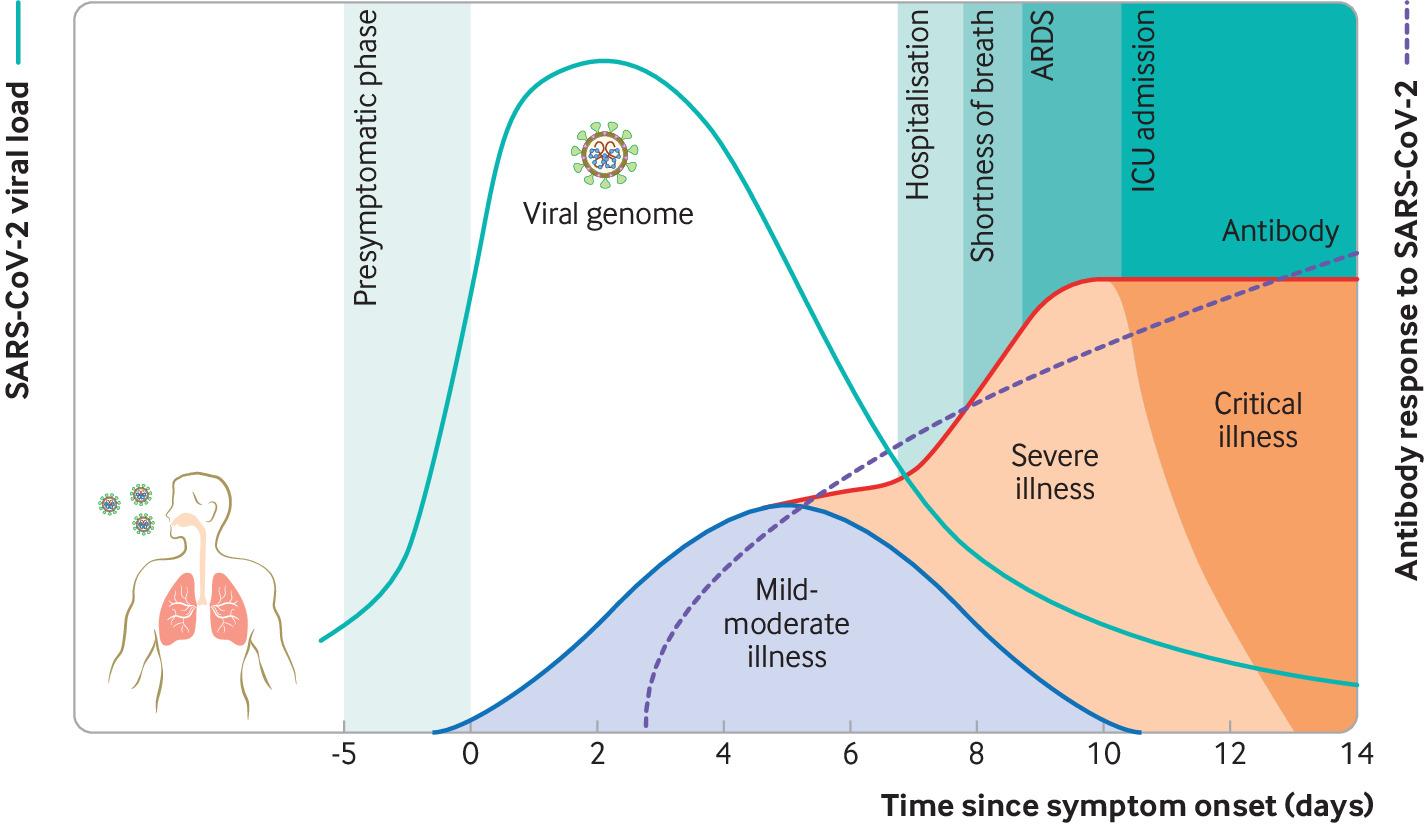
Every Picture Tells a Story The Disease Course of COVID19 American
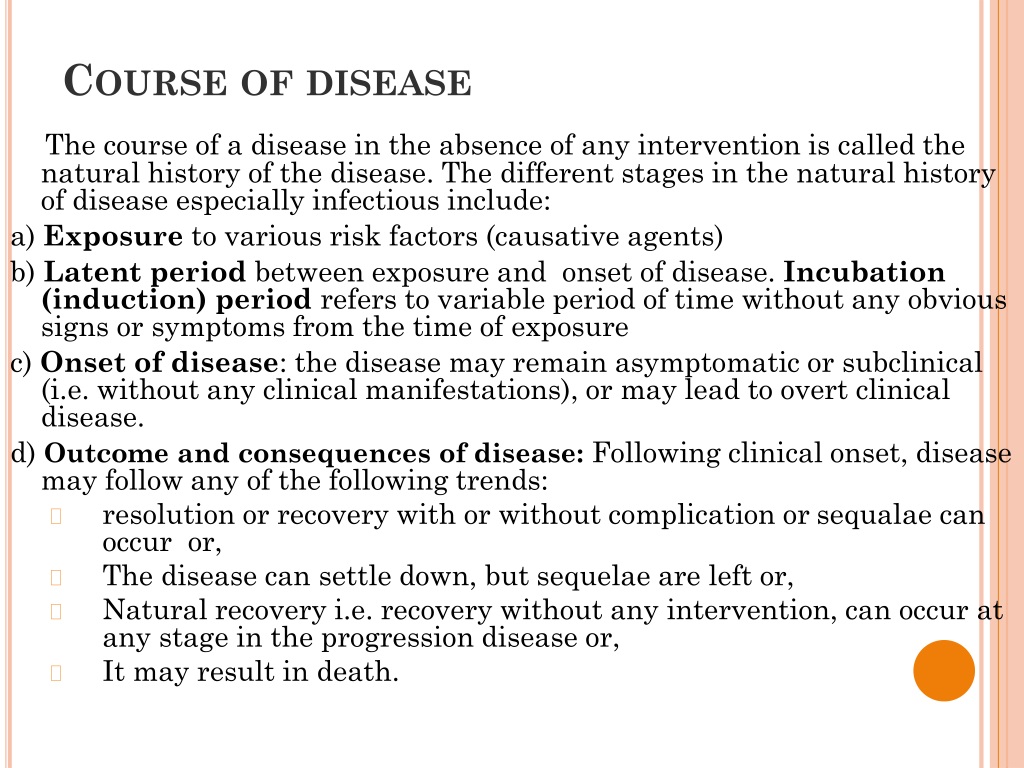
PPT INTRODUCTION TO PATHOLOGY PowerPoint Presentation, free download
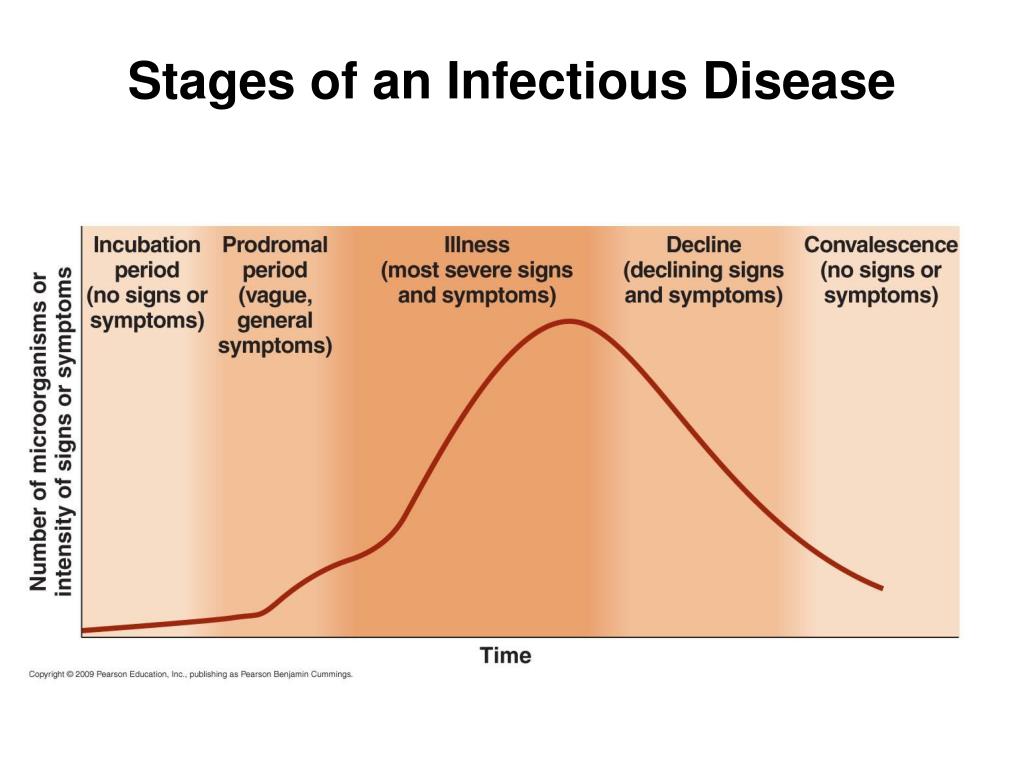
Stages Of Infectious Disease
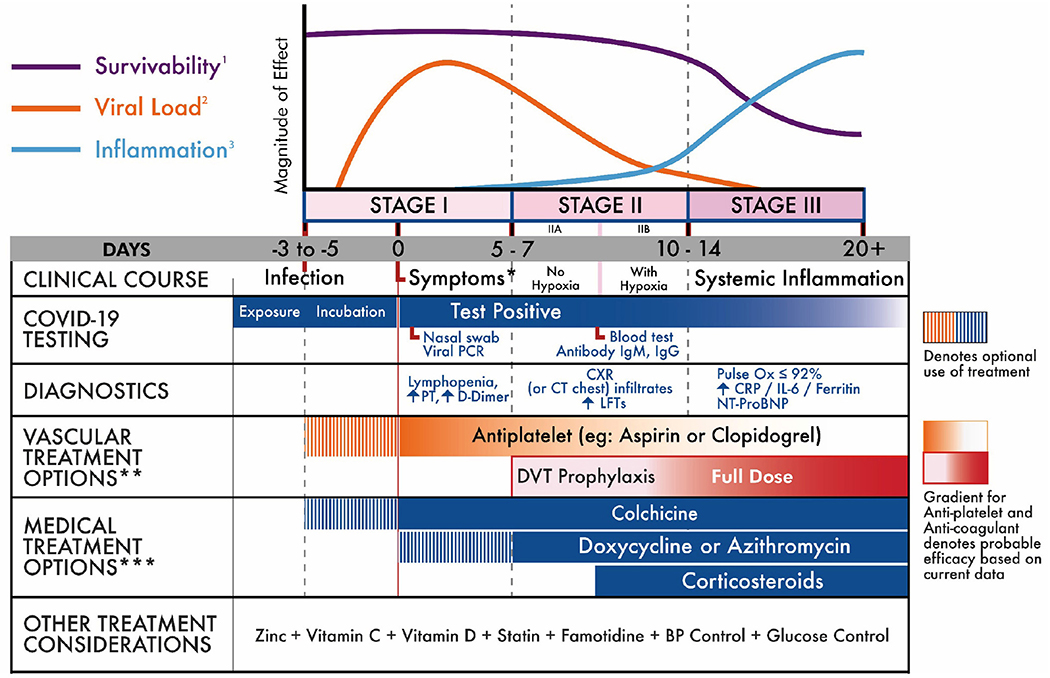
Frontiers Current Understanding of COVID19 Clinical Course and
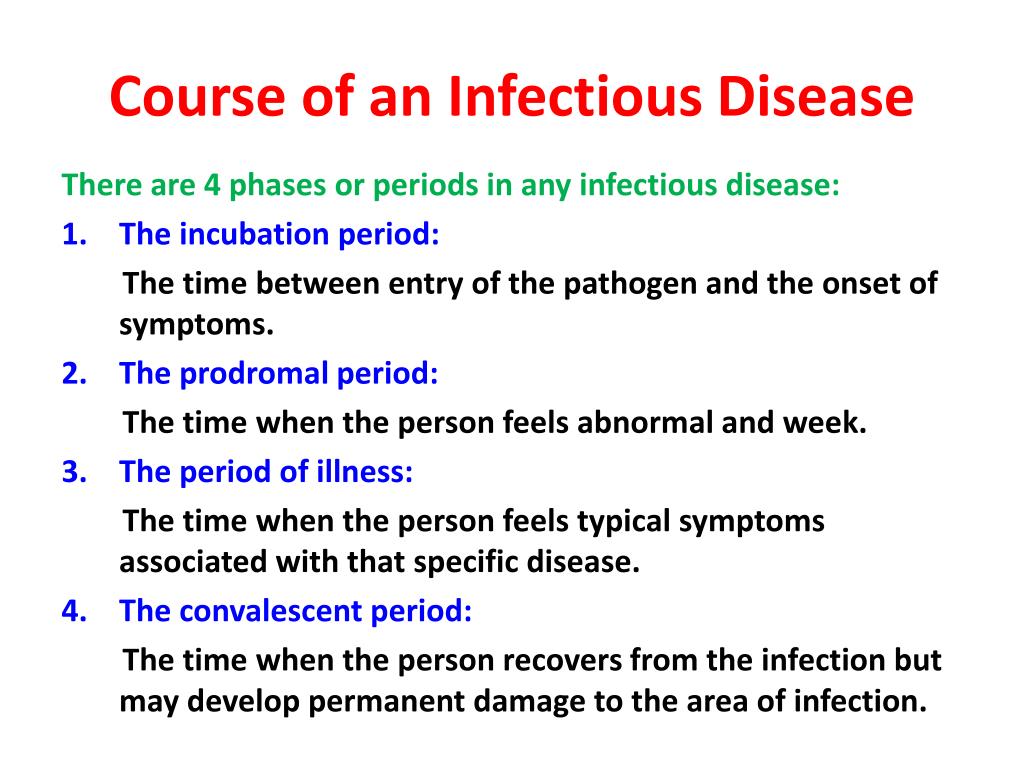
PPT Pathogenesis of Infectious Diseases PowerPoint Presentation, free

Disease Stages Figure 14.5 Diagram Quizlet
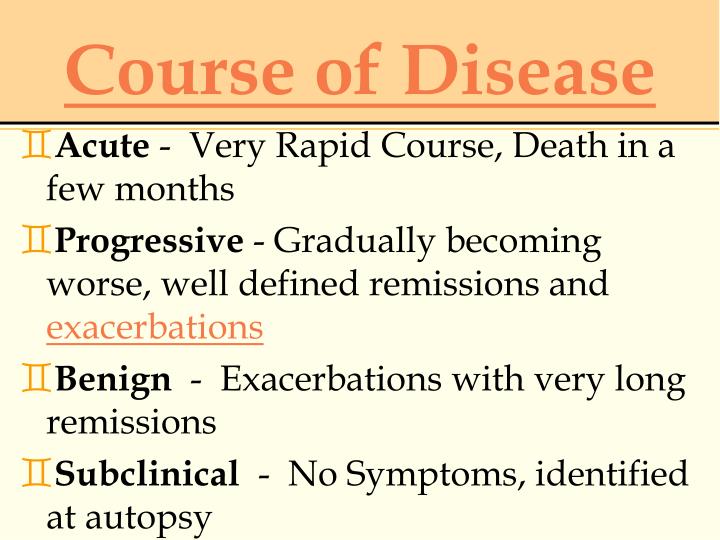
PPT Descriptive Epidemiology of Multiple Sclerosis (MS) PowerPoint
PPT Ch 14 Principles of Disease and Epidemiology PowerPoint
Delay In Recognition Or Undertreatment May.
[4] Typical Courses Of Diseases Include:
The Process Of A Pathological Condition From Inception To Resolution.
A Disease Is Expected To Follow A Particular Series Of Events In Its Development (Pathogenesis), And To Follow A Particular Clinical Course (Natural History).
Related Post: