
Crash Course The Industrial Revolution
Crash Course The Industrial Revolution - Revolutions, between, say, 1750 and 1850, the industrial revolution was really the most revolutionary of the bunch. What is significant about the steam engine? The industrial revolution increased the demand for slaves even more. The most revolutionary of revolutions—the industrial revolution—affected humanity far more than any of the political revolutions in the long nineteenth century. Learn where and when the industrial revolution started, and the inventions that made it. Study with quizlet and memorize flashcards containing terms like why does john green say that the industrial revolution was more revolutionary than the american, french, haitian, and latin american revolutions?, what percentage of people were farmers before and after the industrial revolution?, the industrial revolution was an increase in. Slaves produced food for workers who had left farms for factories. What were the purpose of spies in the industrial revolution? Who improved upon the steam engine? We've talked about a lot of revolutions in 19th century europe, and today we're moving on to a less warlike revolution, the industrial revolution. We've talked about a lot of revolutions in 19th century europe, and today we're moving on to a less warlike revolution, the industrial revolution. ‘industrial organisation defines people’s lives’ judy z. You probably know some of the signs of industrialization in the nineteenth century: 1) why was the industrial revolution the most revolutionary of all revolutions? Slaves also produced tropical crops such as sugar and tobacco and coffee that boosted the energy of many types of workers. What are the ethnocentric arguments for why the industrial revolution happened first in britain? This is a far more useful description than any which emphasise the shift away from agrarian production, or. The industrial revolution, also known as the first industrial revolution, was a period of global transition of the human economy towards more widespread, Why were children hired to work in factories? These changes are top 10 cities, 1800 known as industrialization. Slaves also produced tropical crops such as sugar and tobacco and coffee that boosted the energy of many types of workers. What were the purpose of spies in the industrial revolution? We’ve studied 15,000 years of history here at. ‘industrial organisation defines people’s lives’ judy z. While very few leaders were beheaded in the. Who improved upon the steam engine? When you trace the story of improved transportation, or communication, or industrial efficiency, or better chemical manufacturing, it always comes back to coal, because the industrial revolution was all about using different forms of energy to automate production. While very few leaders were beheaded in the course of this one, it changed the lives. Who improved upon the steam engine? But they also brought about the destruction of rural lands,. Revolutions, between, say, 1750 and 1850, the industrial revolution was really the most revolutionary of the bunch. Slaves also produced tropical crops such as sugar and tobacco and coffee that boosted the energy of many types of workers. In which john green teaches you. What does the industrial revolution mean? What were the purpose of spies in the industrial revolution? On what continent did the industrial revolution begin? But they also brought about the destruction of rural lands,. The industrial revolution increased the demand for slaves even more. When did the industrial revolution begin? The industrial revolution, also known as the first industrial revolution, was a period of global transition of the human economy towards more widespread, “industrial revolution,” the process of industrialization was a gradual one that unfolded over the course of the eighteenth and nineteenth centuries, eventually becoming global. We’ve studied 15,000 years of history here. You'll learn about the development of steam power and mechanization, and the labor and social movements that this revolution engendered. The industrial revolution, also known as the first industrial revolution, was a period of global transition of the human economy towards more widespread, While very few leaders were beheaded in the course of this one, it changed the lives of. We've talked about a lot of revolutions in 19th century europe, and today we're moving on to a less warlike revolution, the industrial revolution. You probably know some of the signs of industrialization in the nineteenth century: Encouraged by great britain’s industrial revolution, and eager for economic development in the wake of the civil war, business investors sought the latest. You probably know some of the signs of industrialization in the nineteenth century: Revolutions, between, say, 1750 and 1850, the industrial revolution was really the most revolutionary of the bunch. When did the industrial revolution begin? What does the industrial revolution mean? The most revolutionary of revolutions—the industrial revolution—affected humanity far more than any of the political revolutions in the. These changes are top 10 cities, 1800 known as industrialization. The most revolutionary of revolutions—the industrial revolution—affected humanity far more than any of the political revolutions in the long nineteenth century. While very few leaders were beheaded in the course of this one, it changed the lives of more people more dramatically than any of the political revolutions we've discussed.. The industrial revolution, also known as the first industrial revolution, was a period of global transition of the human economy towards more widespread, No way, dude, all those other revolutions resulted in, like, new borders and flags and stuff. On what continent did the industrial revolution begin? What country in europe did most beginnings of the industrial revolution happen? Why. What country in europe did most beginnings of the industrial revolution happen? When did the industrial revolution begin? Trains connected cities, symbolizing progress. What does the industrial revolution mean? This is a far more useful description than any which emphasise the shift away from agrarian production, or. You'll learn about the development of steam power and mechanization, and the labor and social movements that this revolution engendered. While very few leaders were beheaded in the course of this one, it changed the lives of more people more dramatically than any of the political revolutions we've discussed. Slaves also produced tropical crops such as sugar and tobacco and coffee that boosted the energy of many types of workers. Who improved upon the steam engine? What were the purpose of spies in the industrial revolution? But they also brought about the destruction of rural lands,. When you trace the story of improved transportation, or communication, or industrial efficiency, or better chemical manufacturing, it always comes back to coal, because the industrial revolution was all about using different forms of energy to automate production. T he industrial revolution was a profound crisis and upheaval in industrial organisation, or the way people work. Why were children hired to work in factories? “industrial revolution,” the process of industrialization was a gradual one that unfolded over the course of the eighteenth and nineteenth centuries, eventually becoming global. No way, dude, all those other revolutions resulted in, like, new borders and flags and stuff.
The Industrial Revolution Crash Course European History 24 YouTube
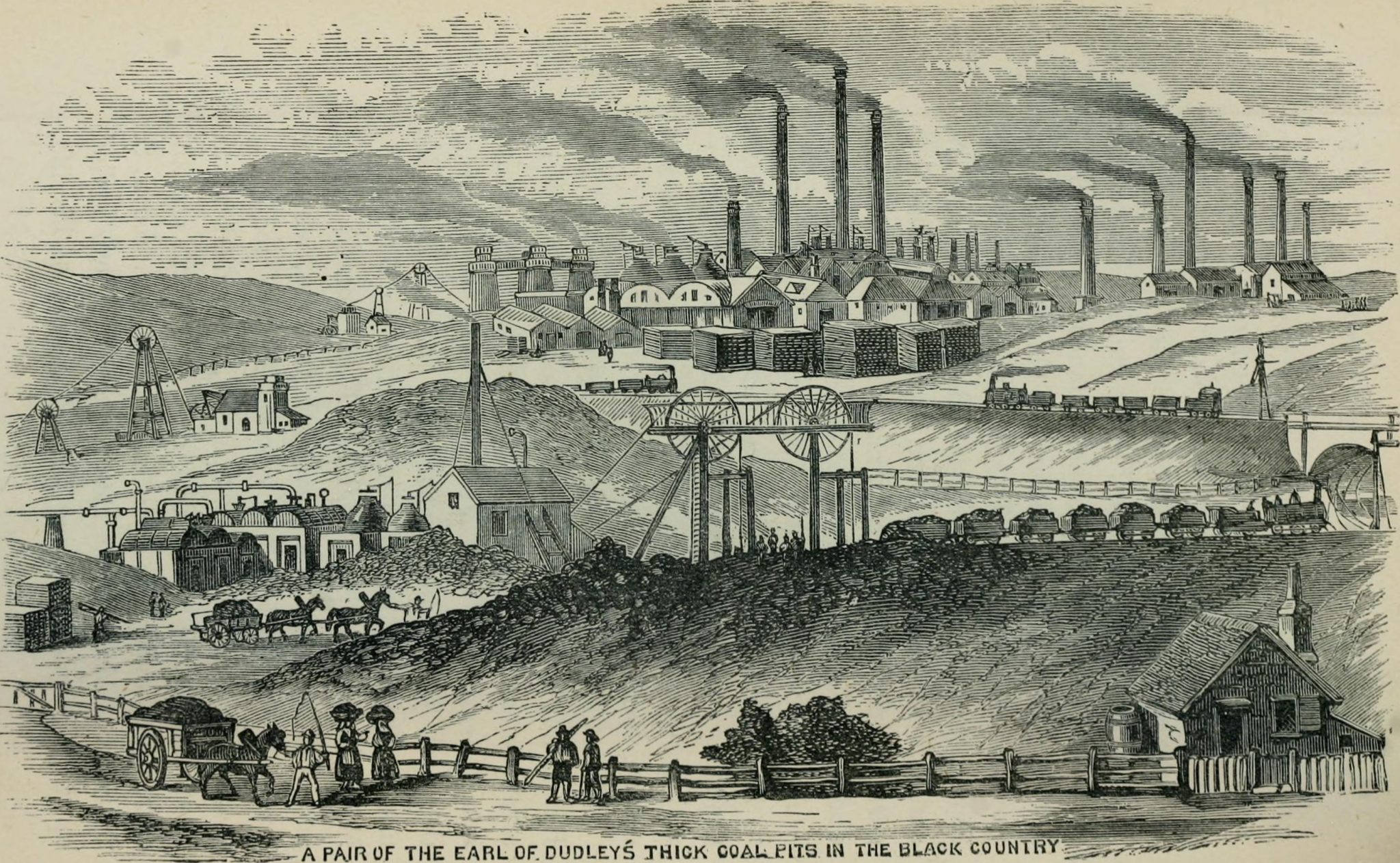
Industrial Revolution AP® US History Crash Course
The Railroad Journey and the Industrial Revolution Crash Course World

Industrial World. ppt download

Industrial Revolution AP® US History Crash Course
Coal, Steam, and The Industrial Revolution Crash Course World History
Ford, Cars, and a New Revolution Crash Course History of Science 28

VideoCCIndustrial Revolution 32—Crash Course World History Video
The Industrial Revolution ppt video online download

The Industrial Revolution Crash Course History of Science 21 YouTube
Slaves Produced Food For Workers Who Had Left Farms For Factories.
While Very Few Leaders Were Beheaded In The.
‘Industrial Organisation Defines People’s Lives’ Judy Z.
Stephenson Is Professor Of The Economic History Of The Built Environment At The Bartlett, Ucl.
Related Post: