
Is Philosophy A Humanities Course
Is Philosophy A Humanities Course - What you’ll learn as a philosophy major. Students engage with the works of influential. Philosophy is indeed a part of the humanities. Developing an understanding of human culture, interactions,. Philosophy is a cornerstone of the humanities, as it explores the fundamental questions of existence, ethics, and the human condition. It encompasses a broad range of disciplines, including. Unlike natural sciences, philosophy does not rely on empirical evidence but rather relies on logical reasoning, critical thinking, and. Discussions about the ongoing health of the humanities in higher education tend to focus on a single data series: Humanities students study culture, language, art, and philosophy, which are all closely related to the social sciences. Humanities courses are a cornerstone of liberal arts education, offering students a deep dive into the study of human culture, history, literature, philosophy, and art. Philosophy is indeed a part of the humanities. While it may not fit neatly into the traditional categories of literary analysis or cultural studies, philosophy’s fundamental aim lies. Philosophy classes in logic teach reasoning skills. Discussions about the ongoing health of the humanities in higher education tend to focus on a single data series: Humanities courses focus specifically on examining how people process and document the human experience. Philosophy examines fundamental questions about existence, knowledge, ethics, and the nature of reality. Humanities students study culture, language, art, and philosophy, which are all closely related to the social sciences. Philosophy is, indeed, a humanities course, but it is also much more than that. Undergraduate philosophy majors may develop knowledge in contemporary academic philosophy and its history; Unlike natural sciences, philosophy does not rely on empirical evidence but rather relies on logical reasoning, critical thinking, and. Humanities courses focus specifically on examining how people process and document the human experience. Download the philosophy report (pdf) and the humanities report (pdf). Students engage with the works of influential. Humanities courses are a cornerstone of liberal arts education, offering students a deep dive into the study of human culture, history, literature, philosophy, and art. Philosophy and religion courses. Students engage with the works of influential. It encompasses a broad range of disciplines, including. Humanities students study culture, language, art, and philosophy, which are all closely related to the social sciences. Beck, arts and humanities coordinator arts and humanities courses show students what it means to live lives enriched by reflection, imagination and creativity. Philosophy is a unique discipline. Philosophy is a unique discipline that explores the boundaries of human knowledge, ethics, and understanding, making it a vital part of the humanities. A humanities class in college is a course that focuses on the study of human culture, society, and experience. It encompasses a broad range of disciplines, including. Philosophy is a cornerstone of the humanities, as it explores. Humanities enrollments are plummeting, and the academic job market for ph.d.s has effectively collapsed. Download the philosophy report (pdf) and the humanities report (pdf). Developing an understanding of human culture, interactions,. Humanities deal exclusively with a portion of metaphysics, which is related to human society and culture. Philosophy is a cornerstone of the humanities, as it explores the fundamental questions. Discussions about the ongoing health of the humanities in higher education tend to focus on a single data series: Humanities deal exclusively with a portion of metaphysics, which is related to human society and culture. Philosophy classes in logic teach reasoning skills. Download the philosophy report (pdf) and the humanities report (pdf). Philosophy is indeed a part of the humanities. Humanities courses are a cornerstone of liberal arts education, offering students a deep dive into the study of human culture, history, literature, philosophy, and art. Discussions about the ongoing health of the humanities in higher education tend to focus on a single data series: The humanities are academic disciplines that focus on human. Students engage with the works of influential.. Undergraduate philosophy majors may develop knowledge in contemporary academic philosophy and its history; So, philosophy includes both, but it is neither one or the other. Download the philosophy report (pdf) and the humanities report (pdf). Philosophy and religion courses examine the basic human questions that have been asked throughout history. Humanities courses are a cornerstone of liberal arts education, offering. Students engage with the works of influential. Beck, arts and humanities coordinator arts and humanities courses show students what it means to live lives enriched by reflection, imagination and creativity. Philosophy is a cornerstone of the humanities, as it explores the fundamental questions of existence, ethics, and the human condition. Philosophy classes in logic teach reasoning skills. So, philosophy includes. A humanities class in college is a course that focuses on the study of human culture, society, and experience. Philosophy is a unique discipline that explores the boundaries of human knowledge, ethics, and understanding, making it a vital part of the humanities. It encompasses a broad range of disciplines, including. Download the philosophy report (pdf) and the humanities report (pdf).. Humanities enrollments are plummeting, and the academic job market for ph.d.s has effectively collapsed. Beck, arts and humanities coordinator arts and humanities courses show students what it means to live lives enriched by reflection, imagination and creativity. Humanities deal exclusively with a portion of metaphysics, which is related to human society and culture. What you’ll learn as a philosophy major.. Developing an understanding of human culture, interactions,. Philosophy and religion courses examine the basic human questions that have been asked throughout history. Undergraduate philosophy majors may develop knowledge in contemporary academic philosophy and its history; It encompasses a broad range of disciplines, including. What you’ll learn as a philosophy major. The humanities are academic disciplines that focus on human. Students engage with the works of influential. Philosophy classes in logic teach reasoning skills. Philosophy examines fundamental questions about existence, knowledge, ethics, and the nature of reality. Humanities deal exclusively with a portion of metaphysics, which is related to human society and culture. Philosophy is indeed a part of the humanities. Philosophy is, indeed, a humanities course, but it is also much more than that. Humanities enrollments are plummeting, and the academic job market for ph.d.s has effectively collapsed. Download the philosophy report (pdf) and the humanities report (pdf). Humanities courses are a cornerstone of liberal arts education, offering students a deep dive into the study of human culture, history, literature, philosophy, and art. Unlike natural sciences, philosophy does not rely on empirical evidence but rather relies on logical reasoning, critical thinking, and.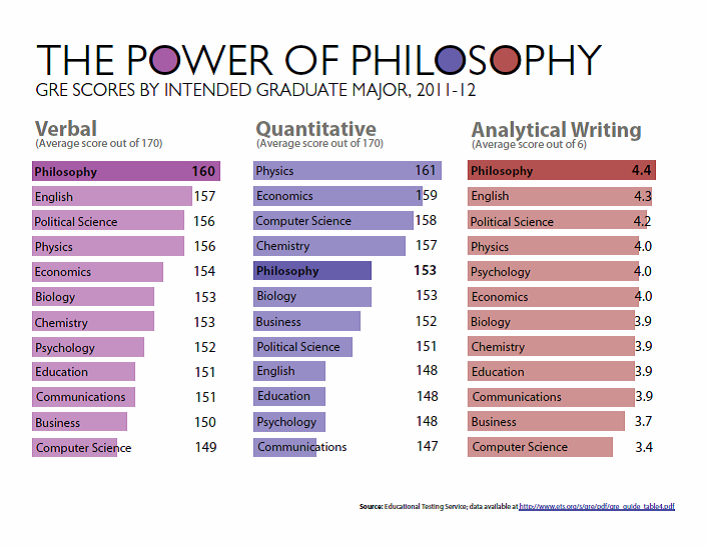
Studying Philosophy

Philosophy and Humanities Utah Valley University
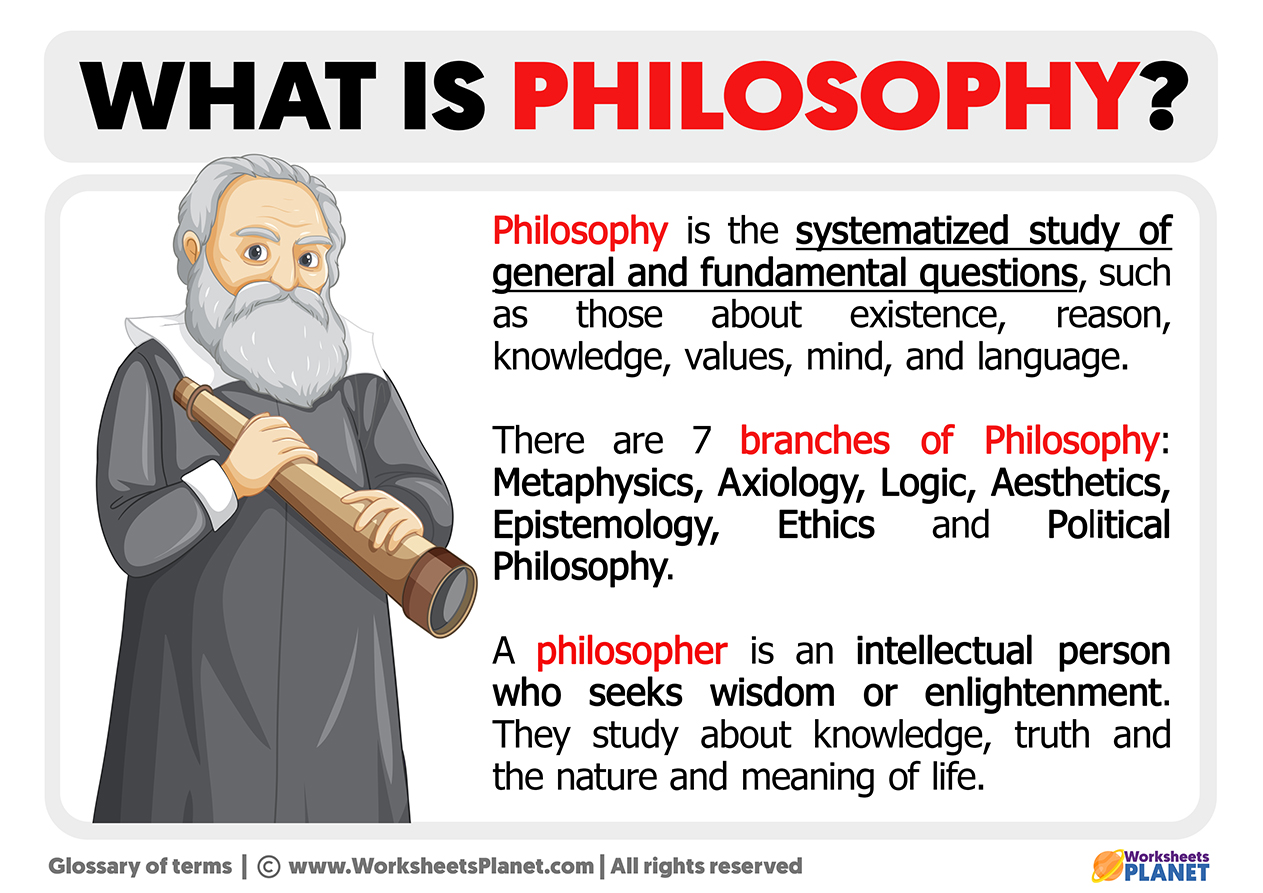
What is Philosophy Definitin & Meaning of Philosophy

What is Philosophy? Tafacorian Thoughts
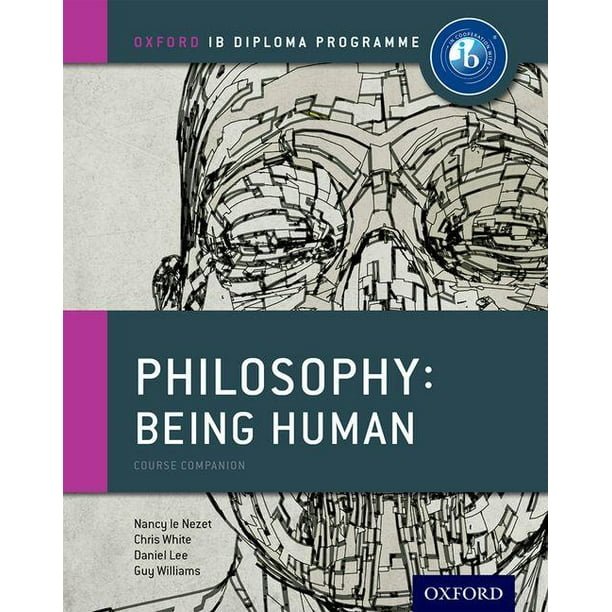
Ib Philosophy Being Human Course Book Oxford Ib Diploma Program
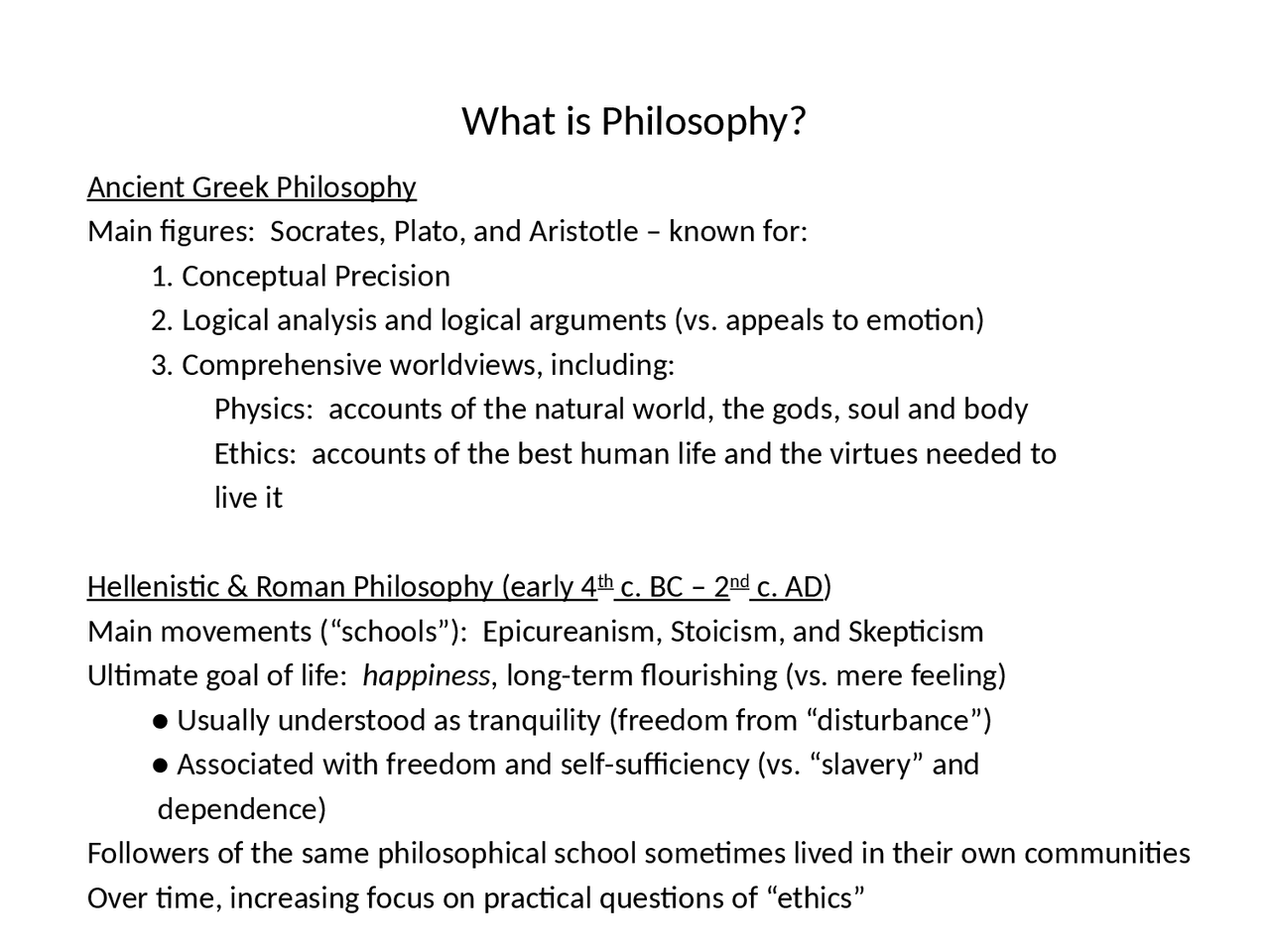
What is Philosophy Humanities Core Lecture Human 1 Docsity
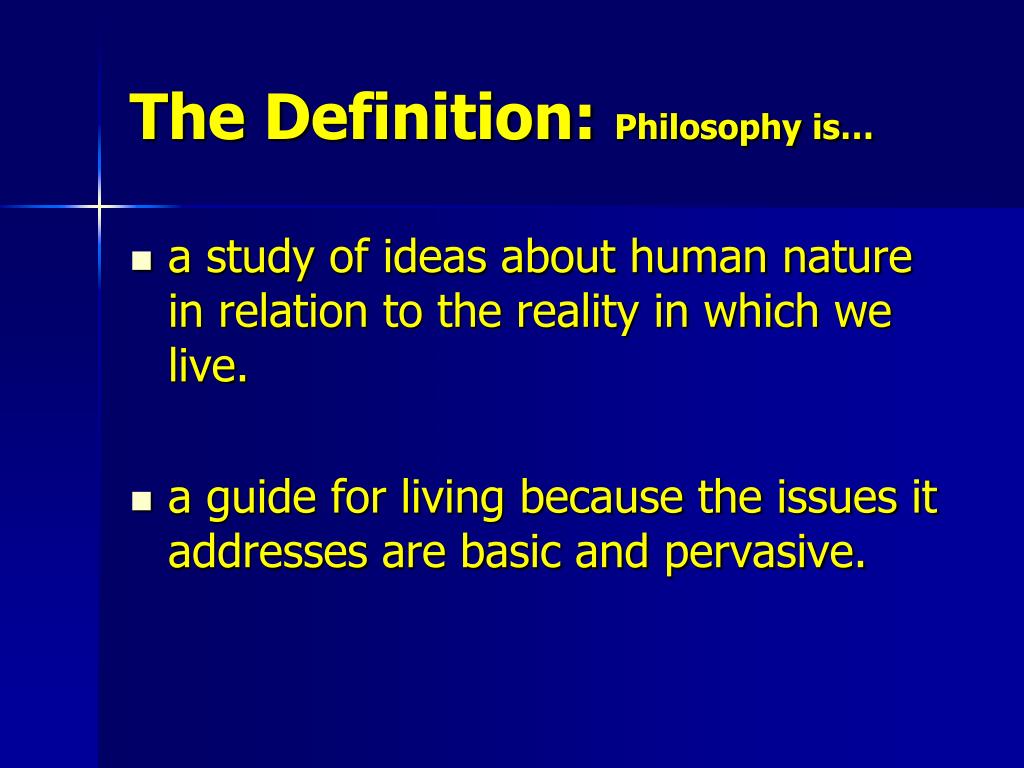
PPT What Is Philosophy? PowerPoint Presentation, free download ID

Digital Humanities notes week 1 What is Philosophy? Since this course
Philosophy vs. Humanities — What’s the Difference?
Philosophy Undergraduate Course Descriptions School of Humanities
So, Philosophy Includes Both, But It Is Neither One Or The Other.
Humanities Courses Focus Specifically On Examining How People Process And Document The Human Experience.
Humanities Students Study Culture, Language, Art, And Philosophy, Which Are All Closely Related To The Social Sciences.
Philosophy Is A Cornerstone Of The Humanities, As It Explores The Fundamental Questions Of Existence, Ethics, And The Human Condition.
Related Post: