
Order The Four Stages In The Course Of An Infection
Order The Four Stages In The Course Of An Infection - The incubation period is first, followed by the prodromal period, then the active period. Order the four stages in the course of an infection. Study with quizlet and memorize flashcards containing terms like what are the 4 stages of infectious disease?, what is the incubation stage?, what is the prodromal stage? 2) prodromal, where mild symptoms emerge as the immune system responds; During the incubation period, the infectious agent begins to multiply in the body, but the person does not yet show any. Understanding the stages of infection: This process is known as the chain of infection, and it only results in. An acute disease is short in duration, whereas a chronic disease lasts for months or years.latent diseases last for years, but are distinguished from chronic. Infection is a complex process that can occur in a specific order, known as the infection cycle order. Study with quizlet and memorize flashcards containing terms like the 4 stages of clinical infection, incubation period, prodromal period and more. Understanding the stages of infection: This is the time between when a person is exposed to a pathogen and when they start to experience symptoms. This process is known as the chain of infection, and it only results in. The progression of infectious diseases involves distinct stages: An acute disease is short in duration, whereas a chronic disease lasts for months or years.latent diseases last for years, but are distinguished from chronic. Study with quizlet and memorize flashcards containing terms like combolesent stage, acute stage, prodromal period and more. 1) incubation, where the pathogen invades before symptoms appear; The stages of infection represent the predictable sequence of events that occur when a pathogen invades a. The four stages are incubation, prodromal, illness, and convalescent phases. 2) prodromal, where mild symptoms emerge as the immune system responds; During the incubation period, the infectious agent begins to multiply in the body, but the person does not yet show any. Understanding the stages of infection: The progression of infectious diseases involves distinct stages: The document discusses the stages of infectious disease progression: The prodromal period, marked by vague symptoms; What happens during the incubation period? The incubation period, where the pathogen replicates without symptoms; Study with quizlet and memorize flashcards containing terms like what are the 4 stages of infectious disease?, what is the incubation stage?, what is the prodromal stage? The prodromal period, marked by vague symptoms; Infection is a complex process that can occur in a specific. The four stages of infection are incubation, prodromal, acute illness, and convalescence. During the incubation period, the infectious agent begins to multiply in the body, but the person does not yet show any. The four stages of infection are: Order the four stages in the course of an infection. The incubation period is first, followed by the prodromal period, then. Infections follow a typical progression in the boody divided. It goes from the first contact with the pathogen to full recovery. What are the four stages in the course of infection and disease? The four stages of infection are incubation, prodromal, acute illness, and convalescence. The progression of infectious diseases involves distinct stages: An acute disease is short in duration, whereas a chronic disease lasts for months or years.latent diseases last for years, but are distinguished from chronic. Infection is a complex process that can occur in a specific order, known as the infection cycle order. 2) prodromal, where mild symptoms emerge as the immune system responds; Introduction to the stages of infection.. The incubation period is first, followed by the prodromal period, then the active period. Each stage is a part of an infection’s journey. Study with quizlet and memorize flashcards containing terms like what are the 4 stages of infectious disease?, what is the incubation stage?, what is the prodromal stage? Study with quizlet and memorize flashcards containing terms like incubation. Understanding the stages of infection: It goes from the first contact with the pathogen to full recovery. Infection is a complex process that can occur in a specific order, known as the infection cycle order. There are typically four stages: The document discusses the stages of infectious disease progression: The four stages of infection are incubation, prodromal, acute illness, and convalescence. In order for an infection to spread from one individual to another and cause disease, six specific phases must occur. Infection is a complex process that can occur in a specific order, known as the infection cycle order. The progression of infectious diseases involves distinct stages: Infections follow. Introduction to the stages of infection. Each stage is a part of an infection’s journey. The _____________ period is the first phase, and is the time from. In order for an infection to spread from one individual to another and cause disease, six specific phases must occur. Understanding the steps and sequences involved in this cycle is crucial. 2) prodromal, where mild symptoms emerge as the immune system responds; Study with quizlet and memorize flashcards containing terms like the 4 stages of clinical infection, incubation period, prodromal period and more. Study with quizlet and memorize flashcards containing terms like incubation period, prodromal phase, invasive phase and more. In order for an infection to spread from one individual to. The four stages are incubation, prodromal, illness, and convalescent phases. Each stage is a part of an infection’s journey. Introduction to the stages of infection. The document discusses the stages of infectious disease progression: An acute disease is short in duration, whereas a chronic disease lasts for months or years.latent diseases last for years, but are distinguished from chronic. The four stages of infection are: The progression of infectious diseases involves distinct stages: In order for an infection to spread from one individual to another and cause disease, six specific phases must occur. Study with quizlet and memorize flashcards containing terms like what are the 4 stages of infectious disease?, what is the incubation stage?, what is the prodromal stage? The stages of infection represent the predictable sequence of events that occur when a pathogen invades a. It goes from the first contact with the pathogen to full recovery. The correct order for the stages of infection is incubation, prodromal, active, and convalescence period. This process is known as the chain of infection, and it only results in. During the incubation period, the infectious agent begins to multiply in the body, but the person does not yet show any. The incubation period, where the pathogen replicates without symptoms; Incubation period is when the pathogen multiplies without symptoms and the person can.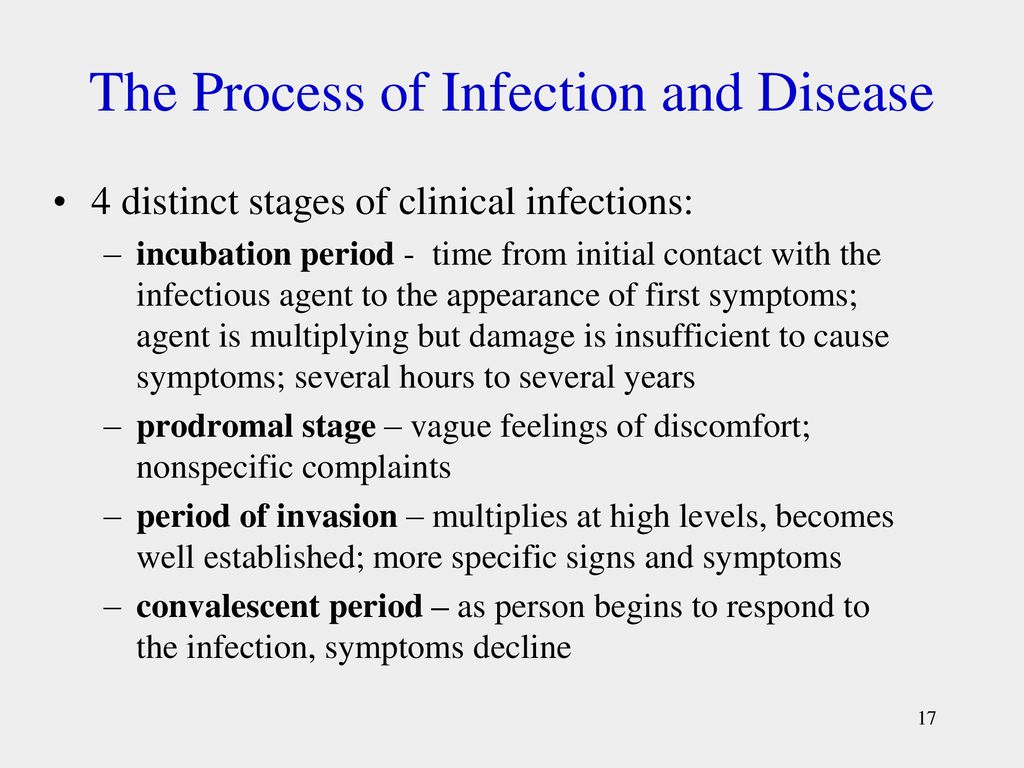
Chapter 13 MicrobeHuman Interactions Infection and Disease ppt download
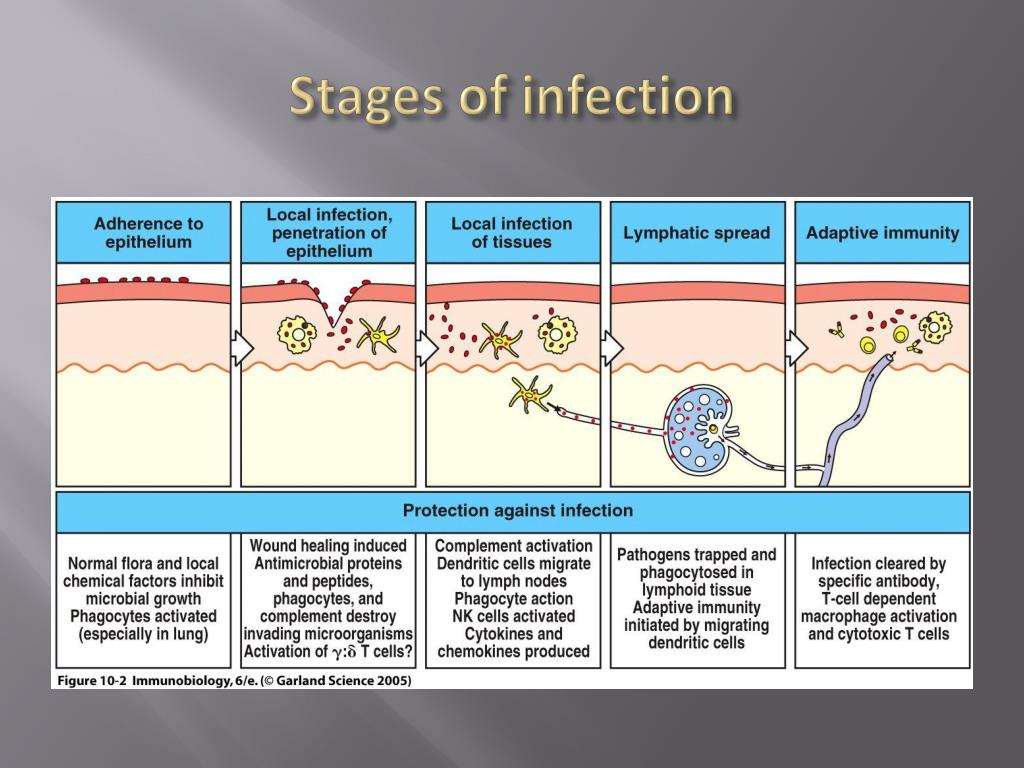
Stages Of Wound Infection

Phases of the infection. Schematic representation of the disease phases
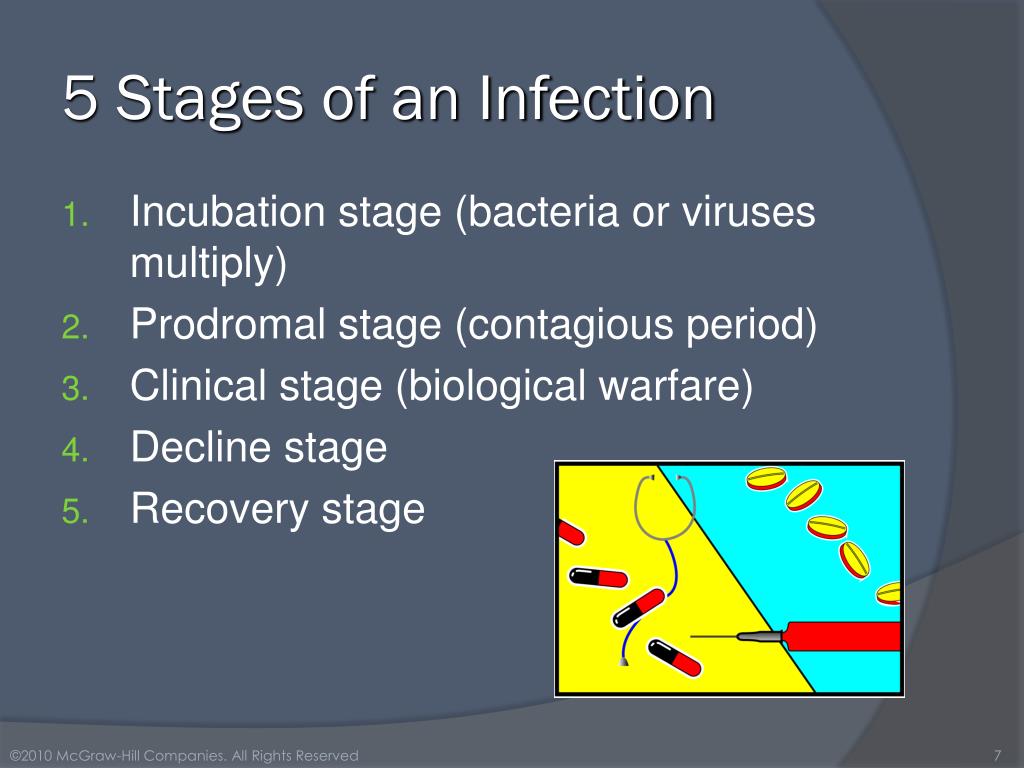
PPT Chapter 13 PowerPoint Presentation, free download ID6177387

bulb

Phases of the infection. Schematic representation of the disease phases

Stages of infection Incubation Period Prodromal Period illness

PPT Microbiology 532 Immunology PowerPoint Presentation, free
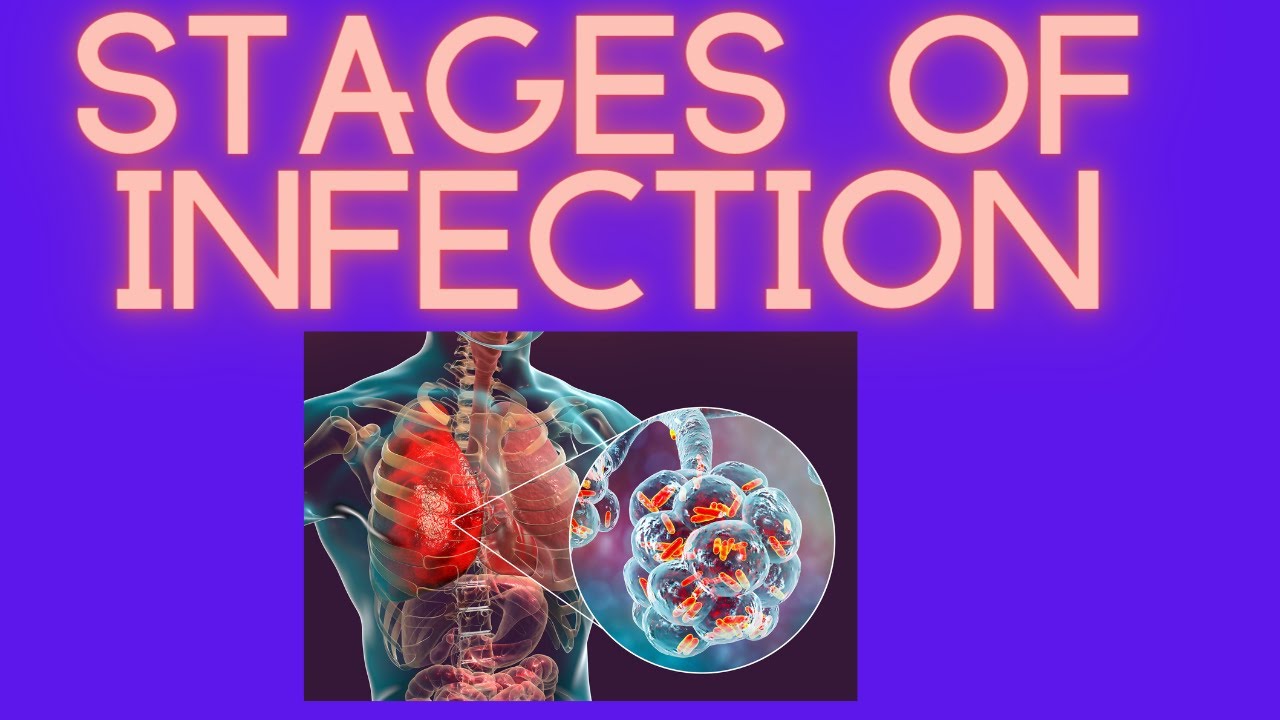
5 Stages of Infection using COVID 19 as a case example YouTube
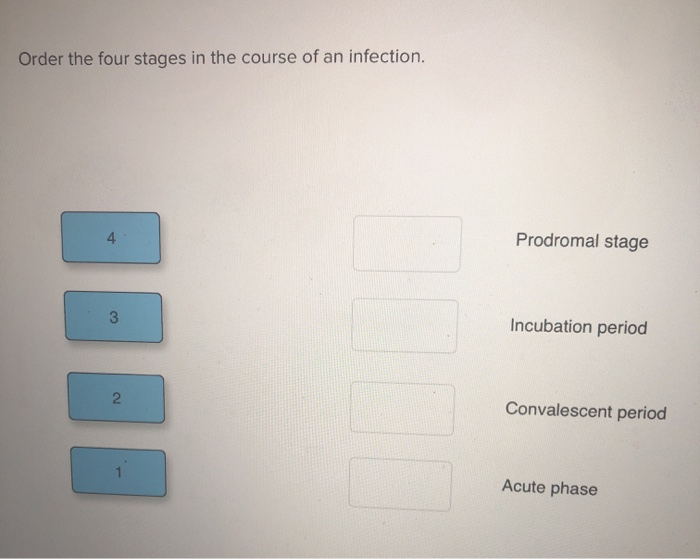
Solved Order the four stages in the course of an infection.
This Is The Time Between When A Person Is Exposed To A Pathogen And When They Start To Experience Symptoms.
The Prodromal Period, Marked By Vague Symptoms;
Infection Is A Complex Process That Can Occur In A Specific Order, Known As The Infection Cycle Order.
There Are Typically Four Stages:
Related Post: