
Organic Chemistry Ii Summer Course
Organic Chemistry Ii Summer Course - Aldehydes and ketones, strategies in organic synthesis, carboxylic acid derivatives, carbonyl condensation reactions, sulfur and phosphorus compounds, bifunctional molecules, carbohydrates, organic nitrogen compounds, amino acids. Applications of separation and spectrophotometric techniques to organic compounds, including some of biological interest. Introductory organic chemistry ii continues and extends themes of structure and bonding from chem 223 and continues spectroscopy and more complex reaction mechanisms. Chm 242 (3 credits) course: 93xm (38292) in person class time: Online organic lab is not possible. Includes treatment of aromatic rings, carbonyl compounds, amines, and selected special topics. This course is designed to give the student, interested in the health professions, an introduction to the second semester of organic chemistry. Modern organic chemistry including nomenclature, synthesis, structure and bonding, reaction mechanisms, natural products, carbohydrates and proteins. The school is accredited by acs. Penn summer offers current penn students, alumni, high school students, and visiting students the opportunity to dive into exciting subjects and get ahead in academic pursuits—on campus, online, or abroad. Survey of the principle classes of organic and bioorganic compounds in relation to their structure, identification, synthesis, natural occurrence, reactivity, and mechanisms of reactions. Summer 2024 synchronous class (remote) time: Chem 241/chem 2410 is the required prerequisites to this course. Chm 242 (3 credits) course: Online organic chemistry classes at msum minnesota state university moorhead, either class in summer, fall or spring. Applications of separation and spectrophotometric techniques to organic compounds, including some of biological interest. Chem 350 (organic chemistry i). Chm2211c organic chemistry ii this course provides a continuation of chm 2210c. Learn about organic chemistry ii online. Penn summer offers current penn students, alumni, high school students, and visiting students the opportunity to dive into exciting subjects and get ahead in academic pursuits—on campus, online, or abroad. Includes treatment of aromatic rings, carbonyl compounds, amines, and selected special topics. Learn about organic chemistry ii online. Online organic lab is not possible. Chm2211c organic chemistry ii this course. Learn about organic chemistry ii online. Introductory organic chemistry ii continues and extends themes of structure and bonding from chem 223 and continues spectroscopy and more complex reaction mechanisms. The structure, nomenclature, reactions, reaction mechanisms, and synthesis of carbon compounds that contain oxygen and nitrogen. Chem 241/chem 2410 is the required prerequisites to this course. The fundamental principles of organic. Online organic lab is not possible. Principles of organic chemistry i. The structure, nomenclature, reactions, reaction mechanisms, and synthesis of carbon compounds that contain oxygen and nitrogen. Chem 241/chem 2410 is the required prerequisites to this course. Includes treatment of aromatic rings, carbonyl compounds, amines, and selected special topics. Summer 2024 synchronous class (remote) time: Aldehydes and ketones, strategies in organic synthesis, carboxylic acid derivatives, carbonyl condensation reactions, sulfur and phosphorus compounds, bifunctional molecules, carbohydrates, organic nitrogen compounds, amino acids. Chm2211c organic chemistry ii this course provides a continuation of chm 2210c. Survey of the principle classes of organic and bioorganic compounds in relation to their structure, identification, synthesis,. Topics covered include the chemistry and reactions of alcohols, ethers, sulfur compounds, aromatic compounds, aldehydes, ketones, carboxylic acids and amines. Laboratory (accompanies chem 252, the lecture component of the course) presents an introduction to organic synthesis. Chem 350 (organic chemistry i). Modern organic chemistry including nomenclature, synthesis, structure and bonding, reaction mechanisms, natural products, carbohydrates and proteins. Penn summer offers. Both semesters are available, both chem 350 and chem 360. Topics covered include the chemistry and reactions of alcohols, ethers, sulfur compounds, aromatic compounds, aldehydes, ketones, carboxylic acids and amines. This summer, uconn will offer organic chemistry i and ii (uconn chem 2443 & 2444) in a convenient online format. Chm 242 (3 credits) course: Students may not receive credit. 93xm (38292) in person class time: Includes treatment of aromatic rings, carbonyl compounds, amines, and selected special topics. Chm 242 (3 credits) course: This course serves as a continuation of organic chemistry i and provides further, fundamental overview of classical organic chemistry. Online organic chemistry classes at msum minnesota state university moorhead, either class in summer, fall or spring. Summer 2024 synchronous class (remote) time: Includes treatment of aromatic rings, carbonyl compounds, amines, and selected special topics. Learn about organic chemistry ii online. Penn summer offers current penn students, alumni, high school students, and visiting students the opportunity to dive into exciting subjects and get ahead in academic pursuits—on campus, online, or abroad. Laboratory (accompanies chem 252, the lecture. Online organic lab is not possible. Topics covered include the chemistry and reactions of alcohols, ethers, sulfur compounds, aromatic compounds, aldehydes, ketones, carboxylic acids and amines. This summer, uconn will offer organic chemistry i and ii (uconn chem 2443 & 2444) in a convenient online format. Aldehydes and ketones, strategies in organic synthesis, carboxylic acid derivatives, carbonyl condensation reactions, sulfur. Both semesters are available, both chem 350 and chem 360. Students may not receive credit for both chem 241l and chem 245l. The school is accredited by acs. Learn about organic chemistry ii online. The structure, nomenclature, reactions, reaction mechanisms, and synthesis of carbon compounds that contain oxygen and nitrogen. 93xm (38292) in person class time: Chm 242 (3 credits) course: Survey of the principle classes of organic and bioorganic compounds in relation to their structure, identification, synthesis, natural occurrence, reactivity, and mechanisms of reactions. Chem 241/chem 2410 is the required prerequisites to this course. Chm2211c organic chemistry ii this course provides a continuation of chm 2210c. Principles of organic chemistry i. Chem 350 (organic chemistry i). Online organic lab is not possible. Topics covered include the chemistry and reactions of alcohols, ethers, sulfur compounds, aromatic compounds, aldehydes, ketones, carboxylic acids and amines. Laboratory (accompanies chem 252, the lecture component of the course) presents an introduction to organic synthesis. The structure, nomenclature, reactions, reaction mechanisms, and synthesis of carbon compounds that contain oxygen and nitrogen. Learn about organic chemistry ii online. Aldehydes and ketones, strategies in organic synthesis, carboxylic acid derivatives, carbonyl condensation reactions, sulfur and phosphorus compounds, bifunctional molecules, carbohydrates, organic nitrogen compounds, amino acids. This course is designed to give the student, interested in the health professions, an introduction to the second semester of organic chemistry. Modern organic chemistry including nomenclature, synthesis, structure and bonding, reaction mechanisms, natural products, carbohydrates and proteins. Applications of separation and spectrophotometric techniques to organic compounds, including some of biological interest.
SOLUTION Organic Chemistry II Sample Exam with KEY Carboxylic acid

Course Organic Chemistry 2 PDF
Organic Chemistry 2 PDF
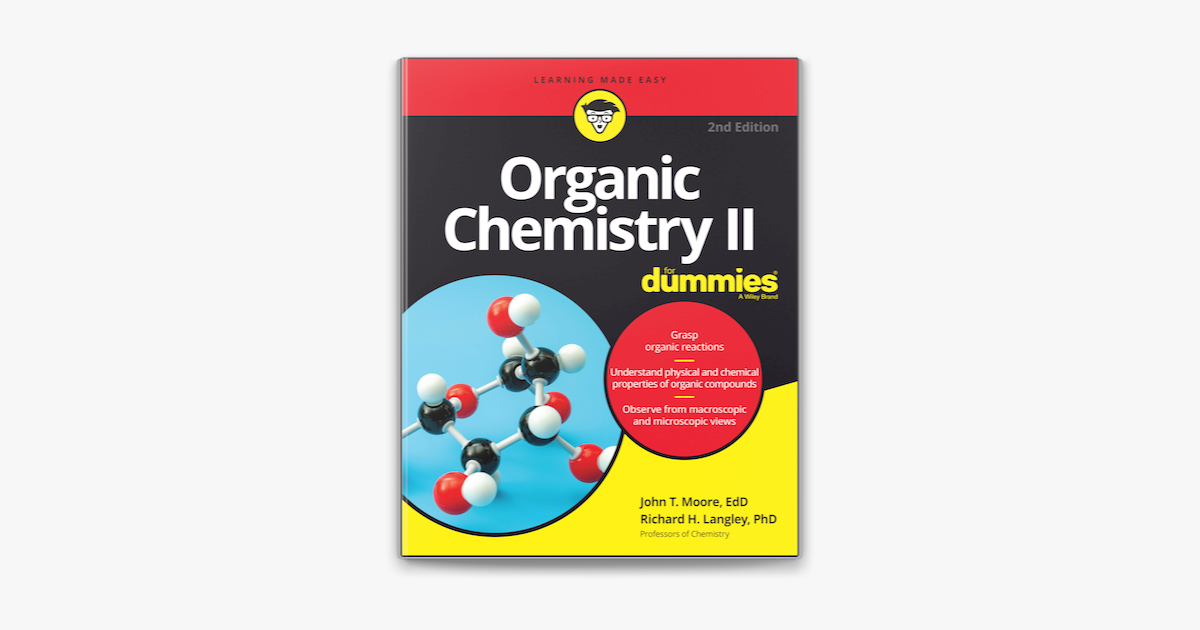
Chemistry II For Dummies on Apple Books
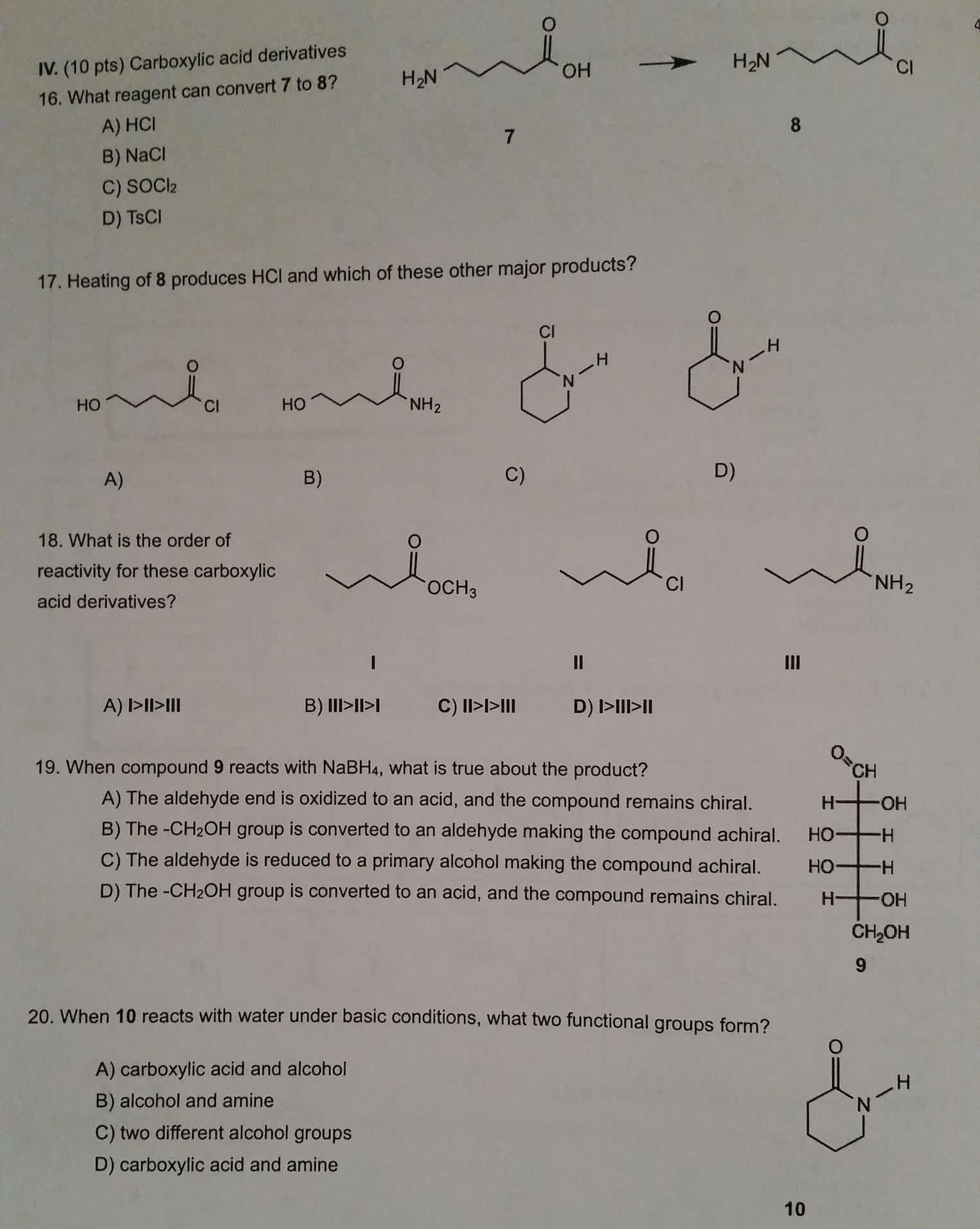
Online Organic Chemistry 2 Summer 2024 Piper Brittany
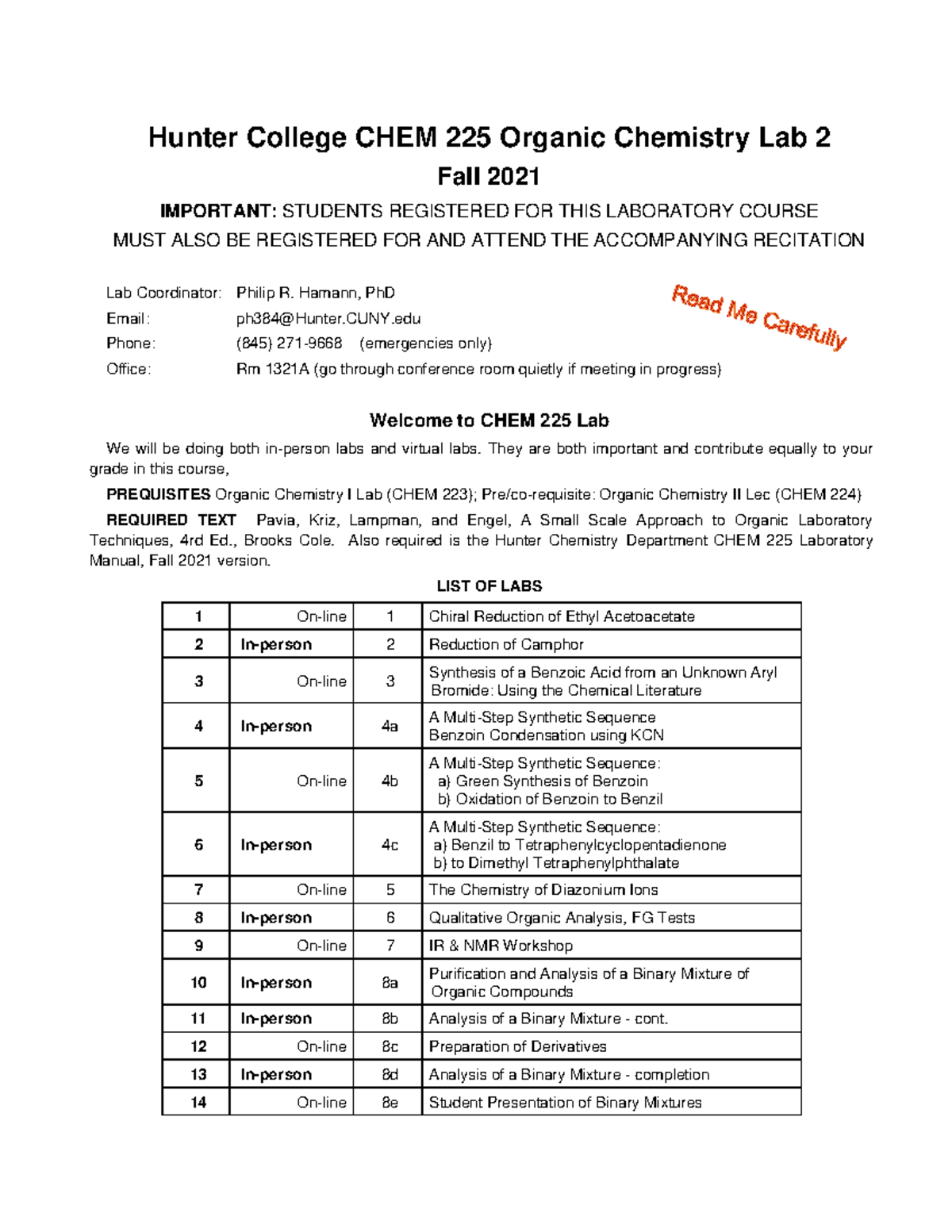
Organic Chemistry II LAB Syllabus Hunter College CHEM 225 Organic
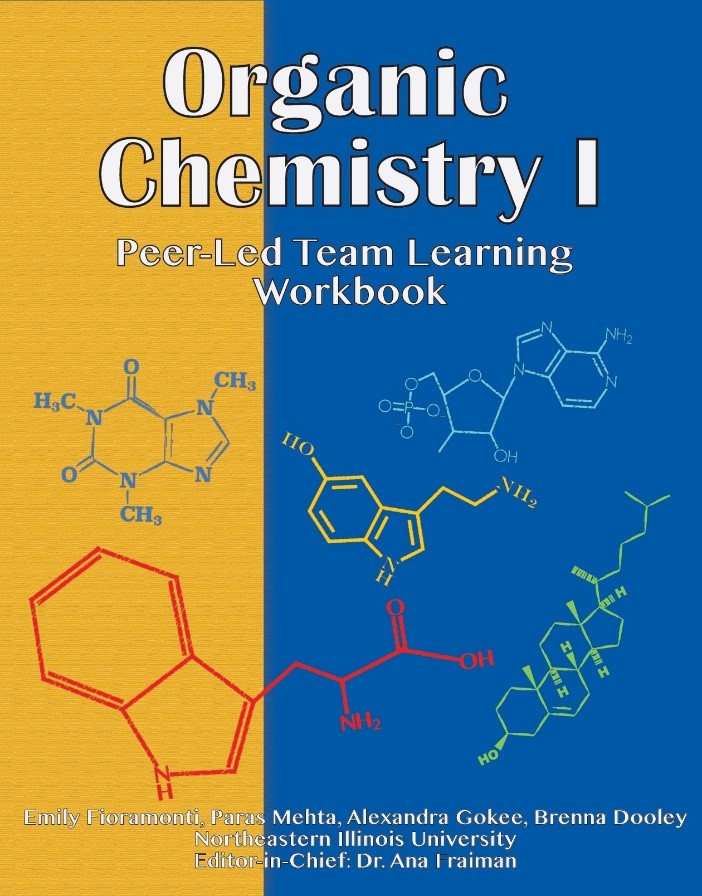
Organic Chemistry 1 Online Summer 2024 Gert Nikaniki

Test 2 Study Guide Summary Organic Chemistry II Chem Test Study

Organic 2 Syllabus Summer 2 2024 LABORATORY COURSE PACKET CHEM 2314

Organic Chemistry 2 Summary Sheets 2) Study And Exam Preparation
This Course Serves As A Continuation Of Organic Chemistry I And Provides Further, Fundamental Overview Of Classical Organic Chemistry.
The School Is Accredited By Acs.
The Fundamental Principles Of Organic Chemistry.
Introductory Organic Chemistry Ii Continues And Extends Themes Of Structure And Bonding From Chem 223 And Continues Spectroscopy And More Complex Reaction Mechanisms.
Related Post:
