
Progression Of Mathematics Courses
Progression Of Mathematics Courses - The typical progression of math courses in high school varies depending on your starting point and the level of rigor you choose, but here's a general outline for you to consider: Generally, the sequence of math courses is as follows: This blog post explores the typical math classes in. Information technology · statistics · calculus · business management The charts are divided into three. Sure, i'd be happy to help explain the typical progression of math classes in high school. Typical high school math course sequences. The typical order of high school math classes is algebra 1, geometry, algebra 2, precalculus, and calculus. Take classes from hometransfer up to 90 creditsfrequent start dates As an education reform expert focused on improving math outcomes, i‘m often asked by parents and students to demystify the progression of high school math. Calculus (ab or bc if. This blog post explores the typical math classes in. The typical progression of math courses in high school is generally: Take classes from hometransfer up to 90 creditsfrequent start dates @brainconnectorarithmetic progression class 10welcome to brain connector!in this demo video, we cover the basics of arithmetic progression (ap) from class 10. As an education reform expert focused on improving math outcomes, i‘m often asked by parents and students to demystify the progression of high school math. These study notes are curated by experts and cover all the. If you’re short on time, here’s a quick answer to your question: A good plan of mathematical study shows a progression of courses through the standard four years of high school. The typical order of high school math classes is algebra 1, geometry, algebra 2, precalculus, and calculus. This blog post explores the typical math classes in. The typical order of high school math classes is algebra 1, geometry, algebra 2, precalculus, and calculus. The charts are divided into three. Over the next few years, high schools will shift from the current algebra i — geometry — algebra ii course progression to two years of integrated algebra that. Math 56 & 6 math 56 math 60 or or math 56 & 6 math 56 math 60 or or math 56 & 6 math 56 math 60 or or for more information, visit:. Information technology · statistics · calculus · business management Math 29 course sequences shown here are for general reference. The typical order of high school math. Generally, the sequence of math courses is as follows: If you’re short on time, here’s a quick answer to your question: This is not all possible scenarios. Below are typical course sequences for taking mathematics in high school. Sure, i'd be happy to help explain the typical progression of math classes in high school. Calculus (ab or bc if. Over the next few years, high schools will shift from the current algebra i — geometry — algebra ii course progression to two years of integrated algebra that will include. Generally, the sequence of math courses is as follows: Math 29 course sequences shown here are for general reference. Understanding math classes in high school. Over the next few years, high schools will shift from the current algebra i — geometry — algebra ii course progression to two years of integrated algebra that will include. These charts below show the different math course progressions that students might take over the four years of high school if they start 9th grade in algebra 1. @brainconnectorarithmetic progression. With so many important courses to choose from, it’s helpful to have guidance on selecting the right classes at the right time. Below are typical course sequences for taking mathematics in high school. Math 29 course sequences shown here are for general reference. These charts below show the different math course progressions that students might take over the four years. Math 29 course sequences shown here are for general reference. Typical high school math course sequences. This blog post explores the typical math classes in. Math 56 & 6 math 56 math 60 or or math 56 & 6 math 56 math 60 or or math 56 & 6 math 56 math 60 or or for more information, visit:. The. Information technology · statistics · calculus · business management The typical progression of math courses in high school usually follows this order (though this may vary slightly depending on your school or district): A good plan of mathematical study shows a progression of courses through the standard four years of high school. Calculus (ab or bc if. The typical progression. As an education reform expert focused on improving math outcomes, i‘m often asked by parents and students to demystify the progression of high school math. Typical high school math course sequences. Math 56 & 6 math 56 math 60 or or math 56 & 6 math 56 math 60 or or math 56 & 6 math 56 math 60 or. If you’re short on time, here’s a quick answer to your question: The typical progression of math courses in high school varies depending on your starting point and the level of rigor you choose, but here's a general outline for you to consider: Below are typical course sequences for taking mathematics in high school. Information technology · statistics · calculus. This blog post explores the typical math classes in. A good plan of mathematical study shows a progression of courses through the standard four years of high school. These study notes are curated by experts and cover all the. Before you enroll in a math class,. Typical high school math course sequences. The typical progression of math courses in high school is generally: The typical progression of math courses in high school varies depending on your starting point and the level of rigor you choose, but here's a general outline for you to consider: The charts are divided into three. Geometric progression is an invaluable resource that delves deep into the core of the class 10 exam. Calculus (ab or bc if. The typical order of high school math classes is algebra 1, geometry, algebra 2, precalculus, and calculus. Math 56 & 6 math 56 math 60 or or math 56 & 6 math 56 math 60 or or math 56 & 6 math 56 math 60 or or for more information, visit:. Sure, i'd be happy to help explain the typical progression of math classes in high school. This is not all possible scenarios. Math 29 course sequences shown here are for general reference. As an education reform expert focused on improving math outcomes, i‘m often asked by parents and students to demystify the progression of high school math.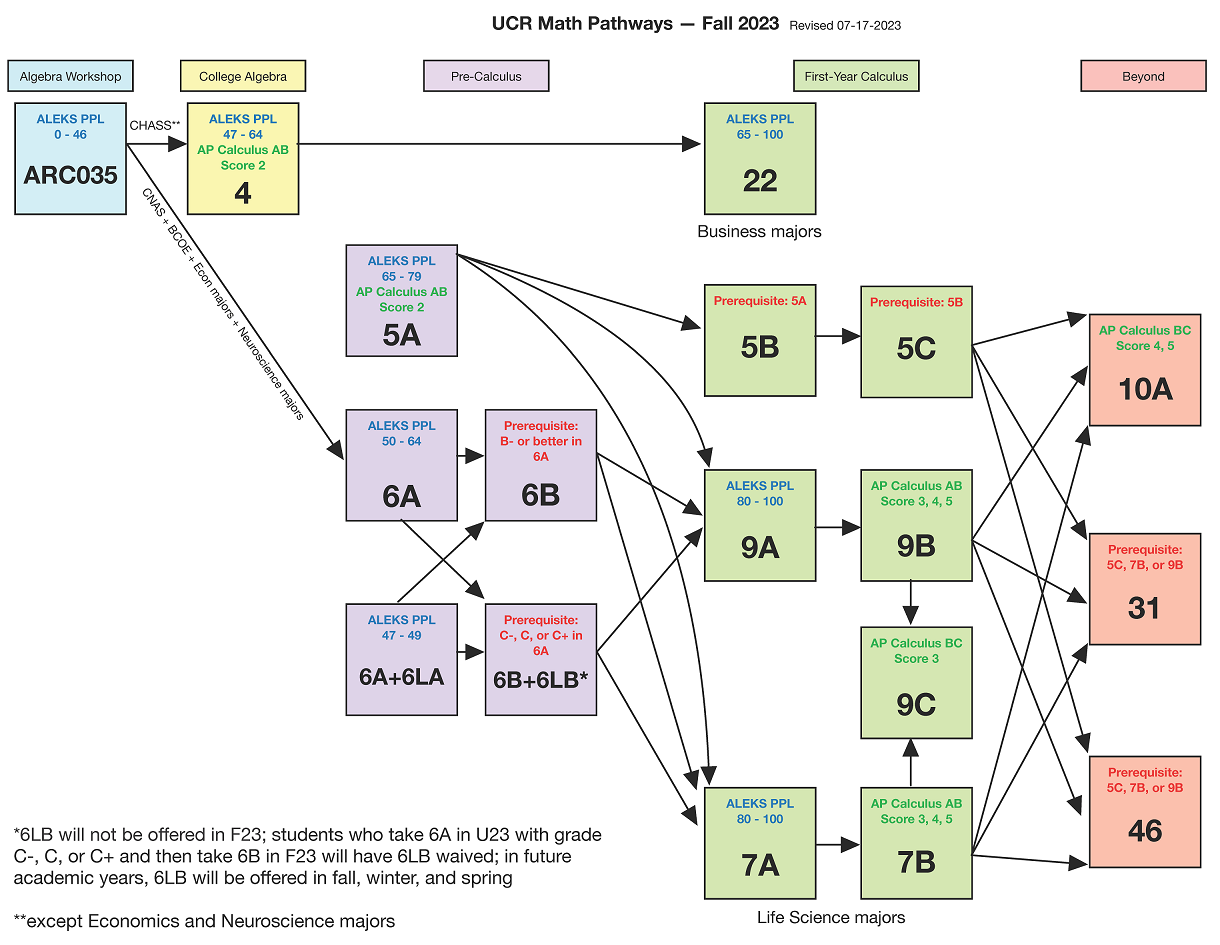
Math Course Progression Chart Department of Mathematics
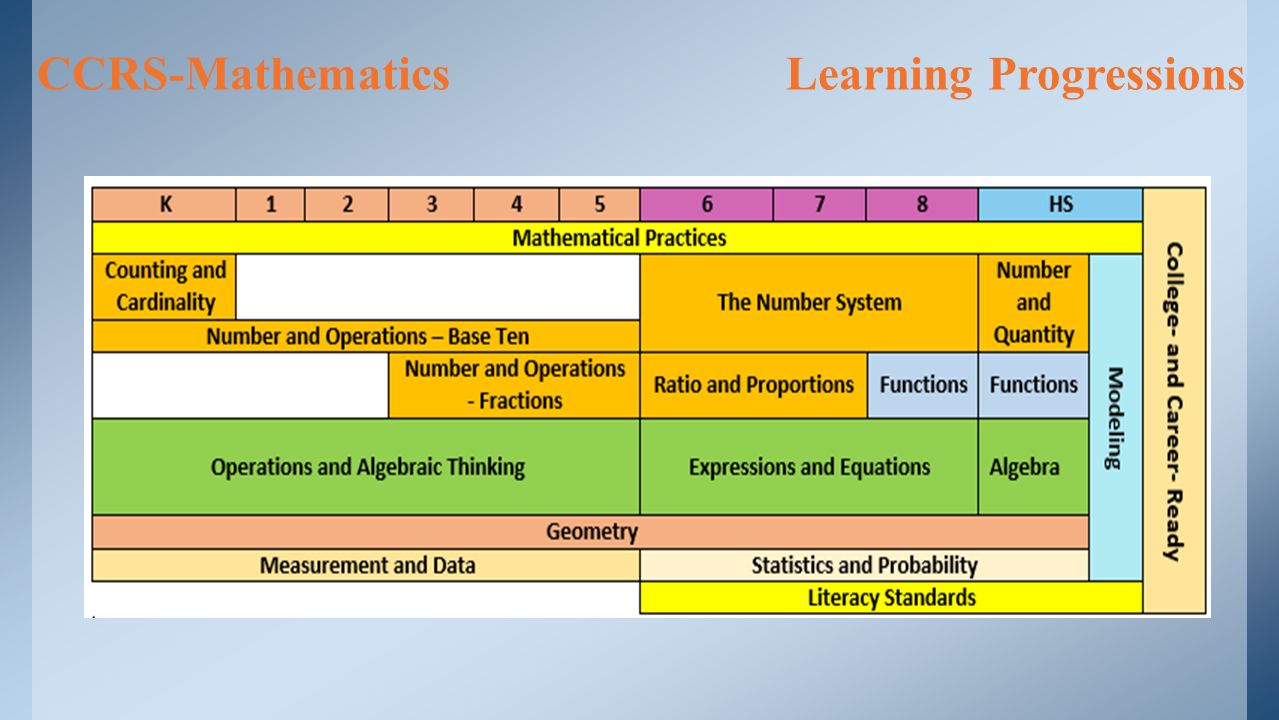
Math Learning Progression Chart A Visual Reference of Charts Chart
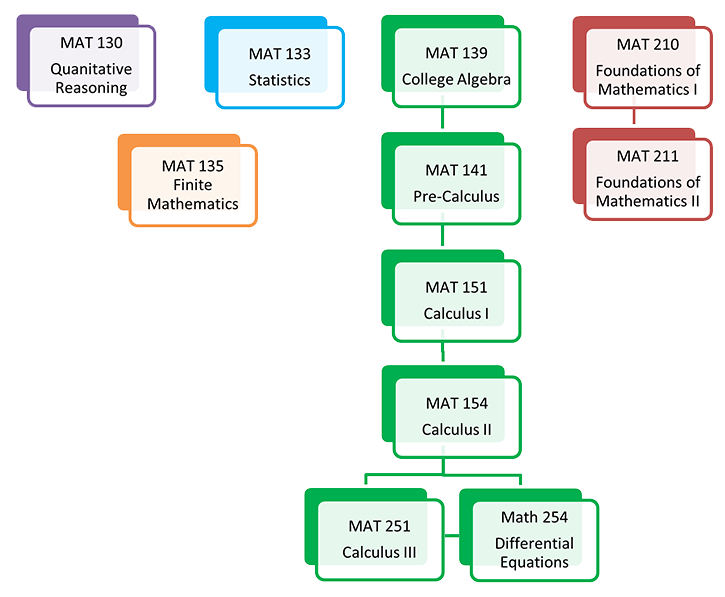
Math Course Levels at Cristopher Robertson blog
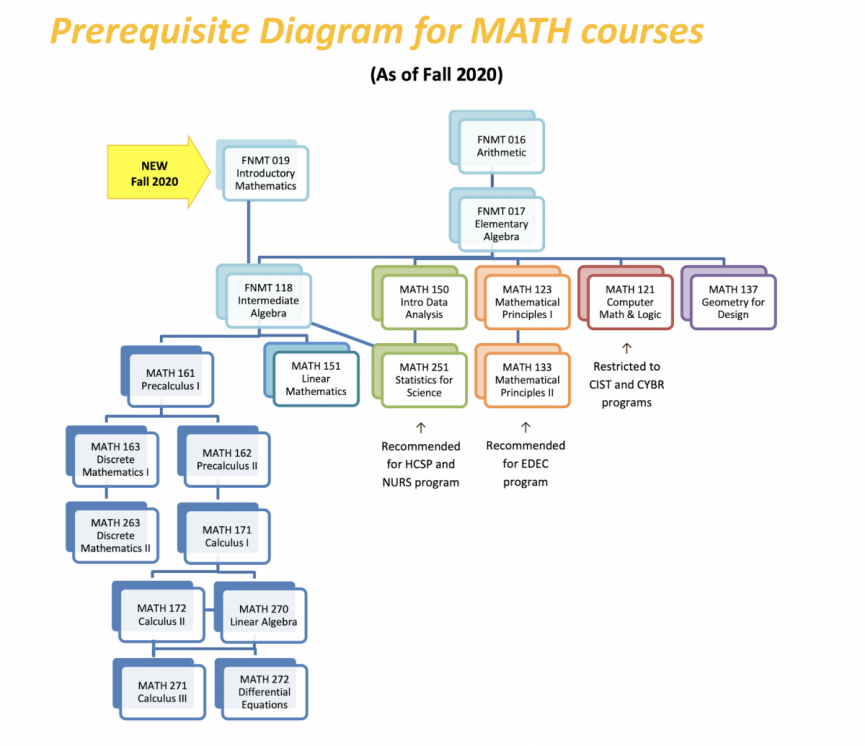
Math Course Progression Community College of Philadelphia

Mathematics and Statistics Courses Progression Paths Download

Mathematics College of Western Idaho
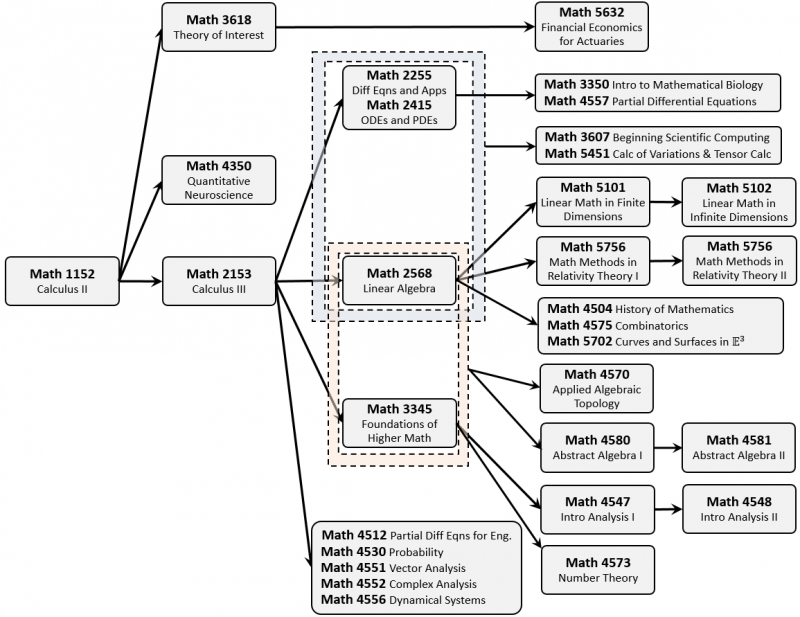
Math Course Progression Department of Mathematics
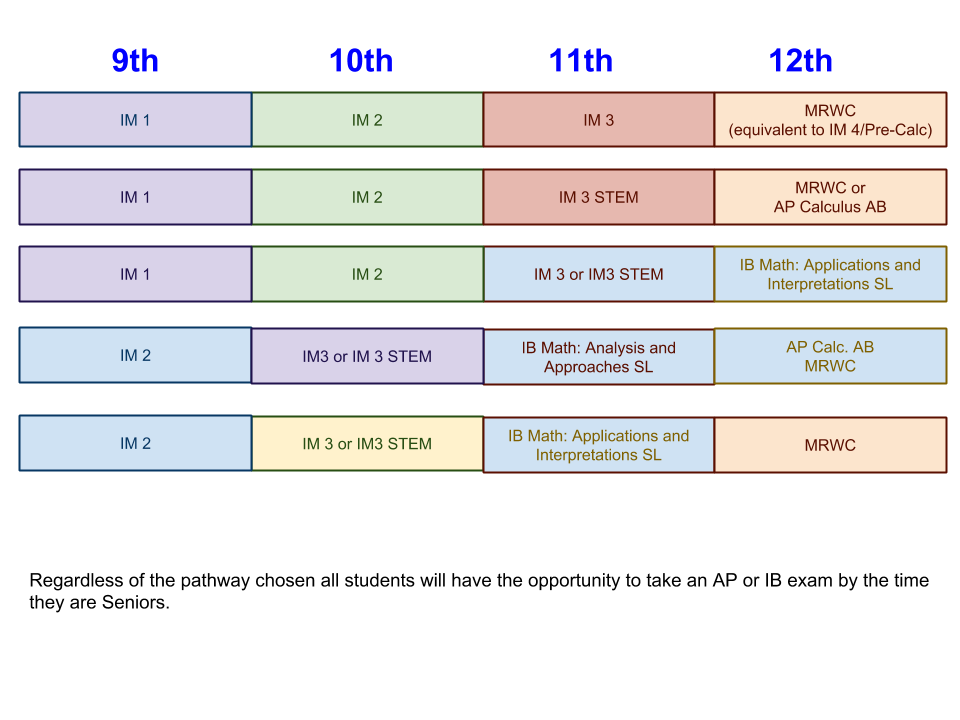
Mathematics Courses Academic Departments Del Mar High School
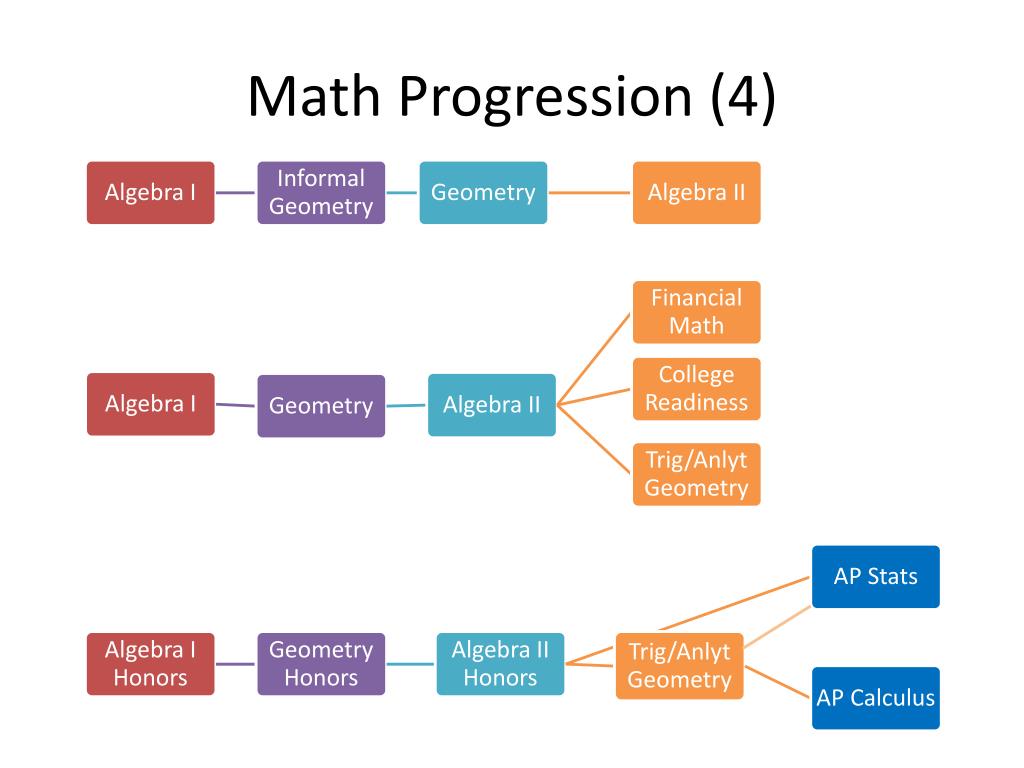
PPT Eustis High School Course Progression and Sequencing PowerPoint
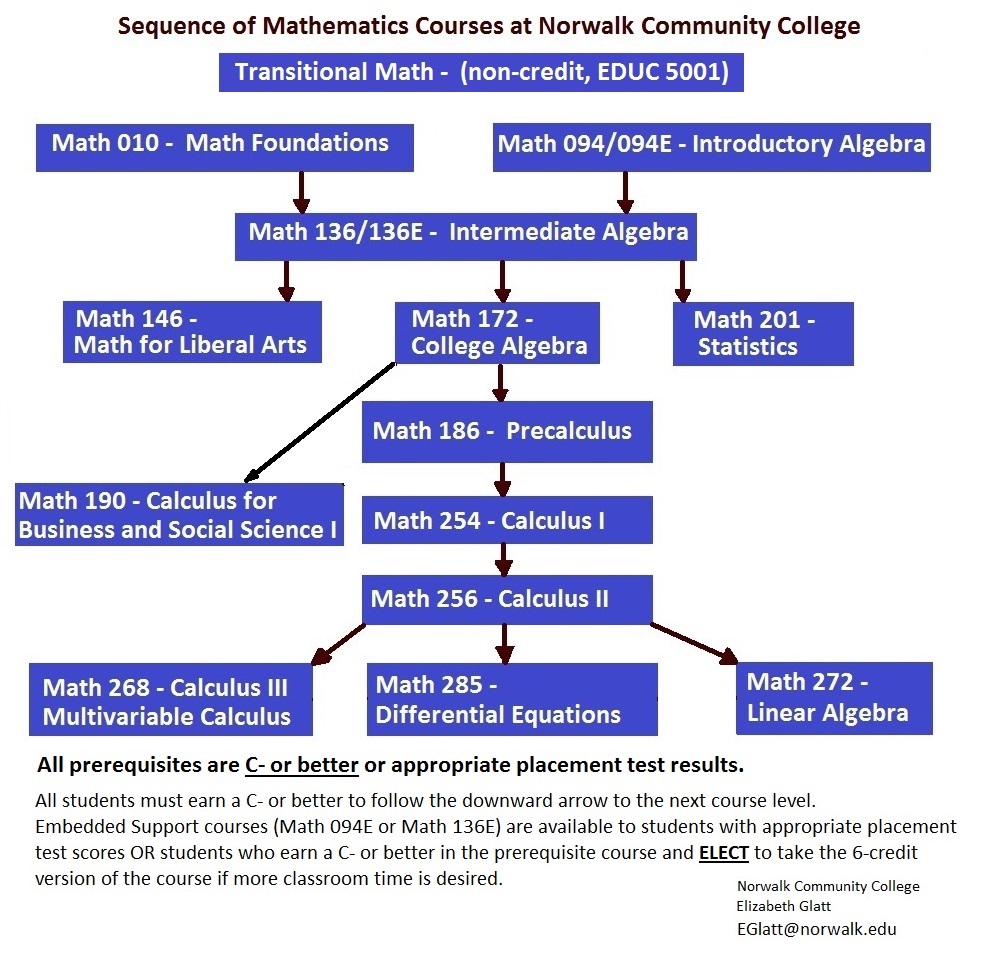
Mathematics + Engineering CT State Norwalk
With So Many Important Courses To Choose From, It’s Helpful To Have Guidance On Selecting The Right Classes At The Right Time.
Here, We’ll Provide You With The Information You Need To Make.
The Typical Progression Of Math Courses In High School Usually Follows This Order (Though This May Vary Slightly Depending On Your School Or District):
Understanding Math Classes In High School Order Is Crucial For Students And Parents Navigating The Educational Journey.
Related Post: